
AROL 101 Final, Spring 2000
American University of Beirut · Introduction to Archaeology · 2 pages

More AROL 101 files
Show the text of this final exam
ARCHAROLOGY JO0-]
Introduction to Archaeology
Final Examination
Time: TWO hour:
poe
Identifications :
AD %_(50 minutes)
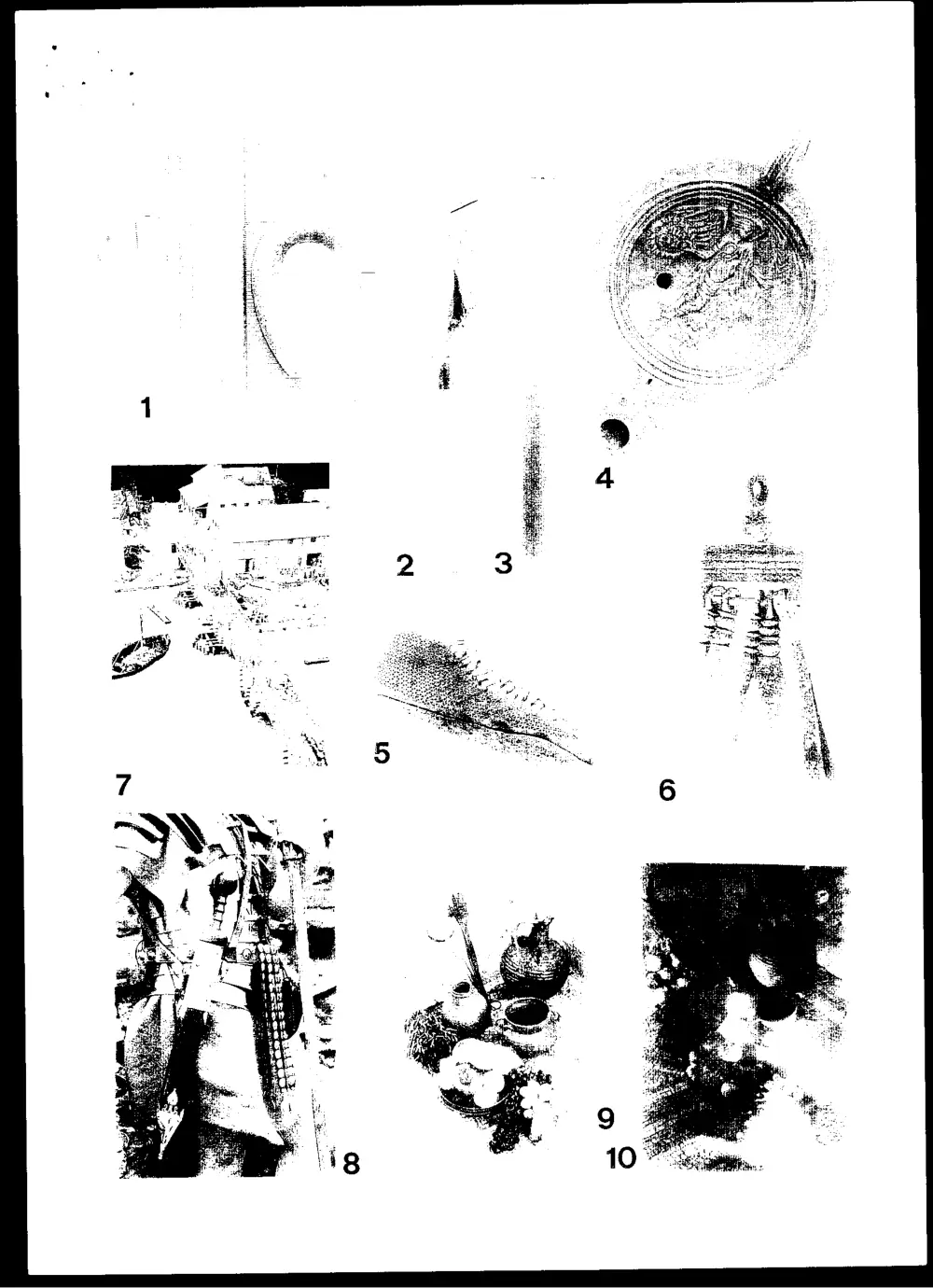
Briefly identify the illustrations 1— 10, in key words ora short paragraph.
What does each illustration represent ?
Where and how is it used [1-3] ?
Where was it discovered, and where is it now [4-10] ?
What does it tell you about the past ? Does it mean anything in the present?
Which of the illustrations tell a story ?
What can you add about each one of them ?
apo
Essay questions
60% (70 mi
Please, attempt to answer all three !
o What is cultural heritage ?
There are local, regional, national, international and world heritage sites and
‘treasures’. Should cultural heritage be viewed as ‘treasures’ like the ones treasure-hunters used
to collect, and still collect today ? Some heritage is ‘alive’ among people today, but much
uveds to be Temembered’. or exists only in people's collective memory. Many features of
human cultural heritage have been and are still being re-discovered by archaeologists and
anthropologists. Name as many aspects of cultural heritage as you know of.
- If contextual excavation is recorded de-construction, what should
happen to the resulting material and information ?
How can excavation and post-excavation work help to protect. understand and
integrate the past into today's world ?
- What is the value of owning the past? Who owns it, and what does this
‘ownership’ mean ?
Specifically refer to Lebanon's cultural heritage, in general. and to the
information you have gained on that subject in class this year. Lebanon's cultural heritage is
of great antiquity and diversity. Properly managed, presented and understood in its
diversity, it could help promote peaceful. and culturally productive coexistence between the
various members of Lebanon's multi-faceted society.