
BIO 200 Project Presentation, Spring 2014
Lebanese American University · Biology · 19 pages

Showing the first 10 of 19 pages. Download the PDF to see all of it.
More BIO 200 files
- Chapter 10 · Fall 2014ChapterView
- Chapter 15 · Fall 2014ChapterView
- Exam 1 Sample · Fall 2014ExamView
- Exam 2 With Answers · Fall 2014Exam · with solutionView
- Useful File Probability · Spring 2014FileView
- Lecture Chapter 4 · Fall 2013LabView
- Useful File Summary for Chapter 20 · Fall 2013FileView
- Useful File Summary for Chapter 21 · Fall 2013FileView
Show the text of this project
Microbiology
BIO 311
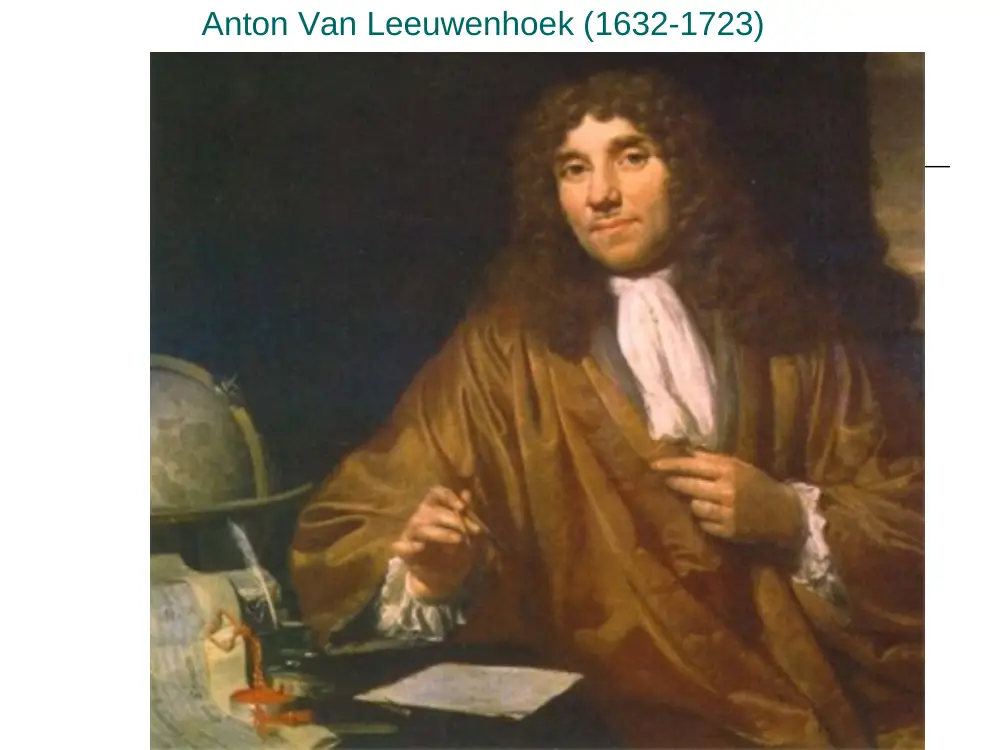
Anton Van Leeuwenhoek (1632-1723)
Anton Van Leeuwenhoek
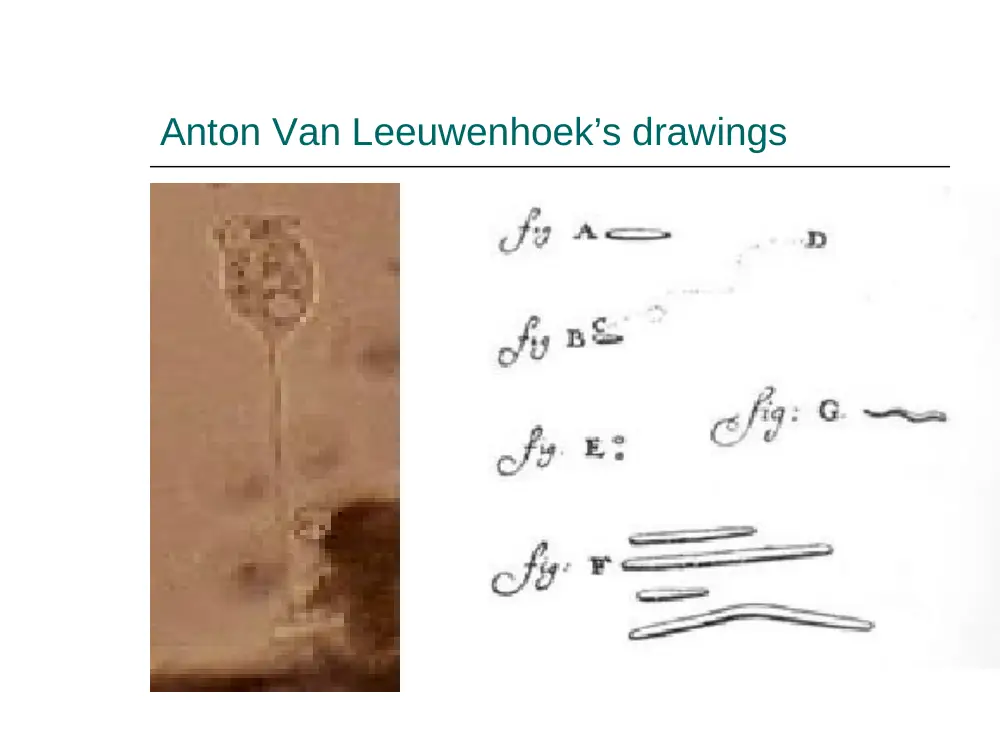
Anton Van Leeuwenhoek’s drawings
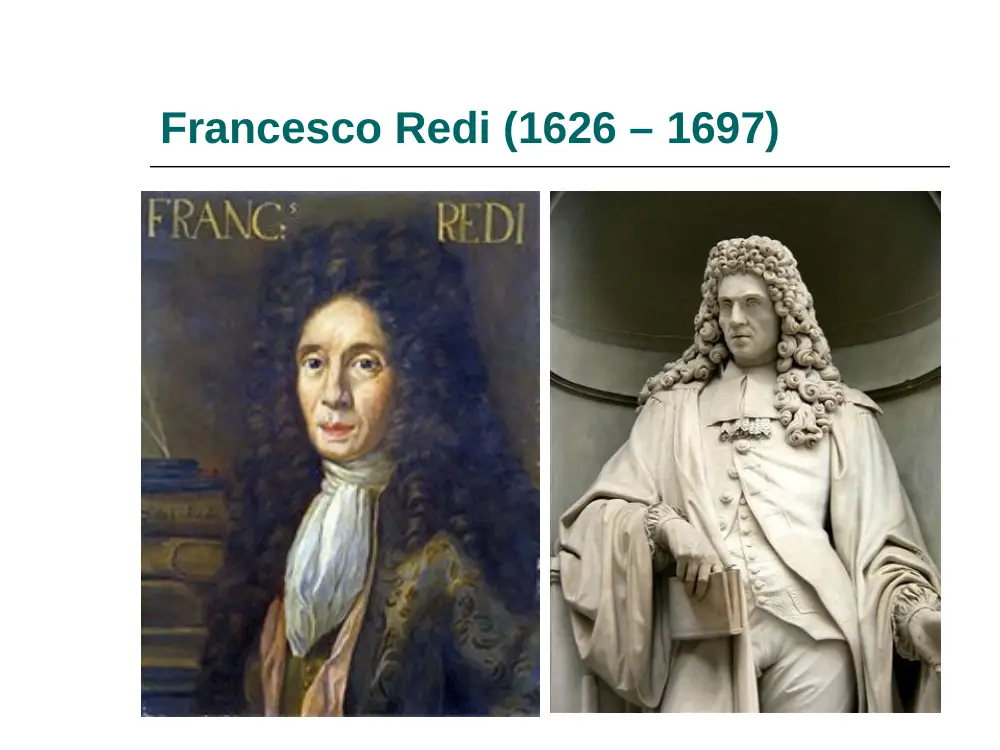
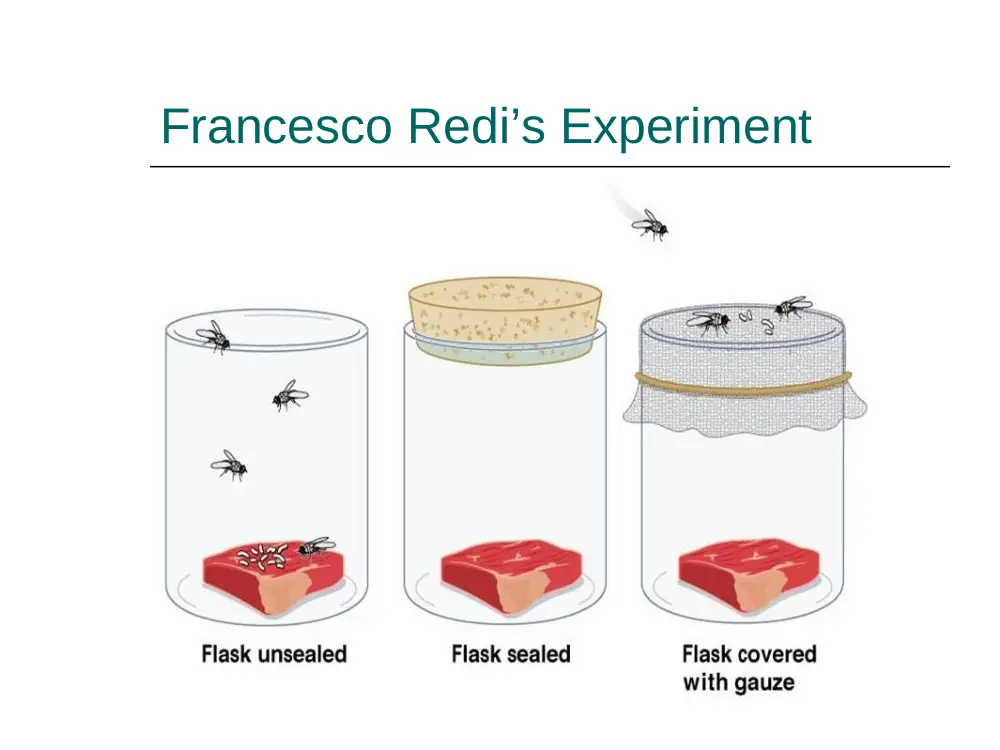
Francesco Redi (1626 – 1697)
Francesco Redi’s Experiment
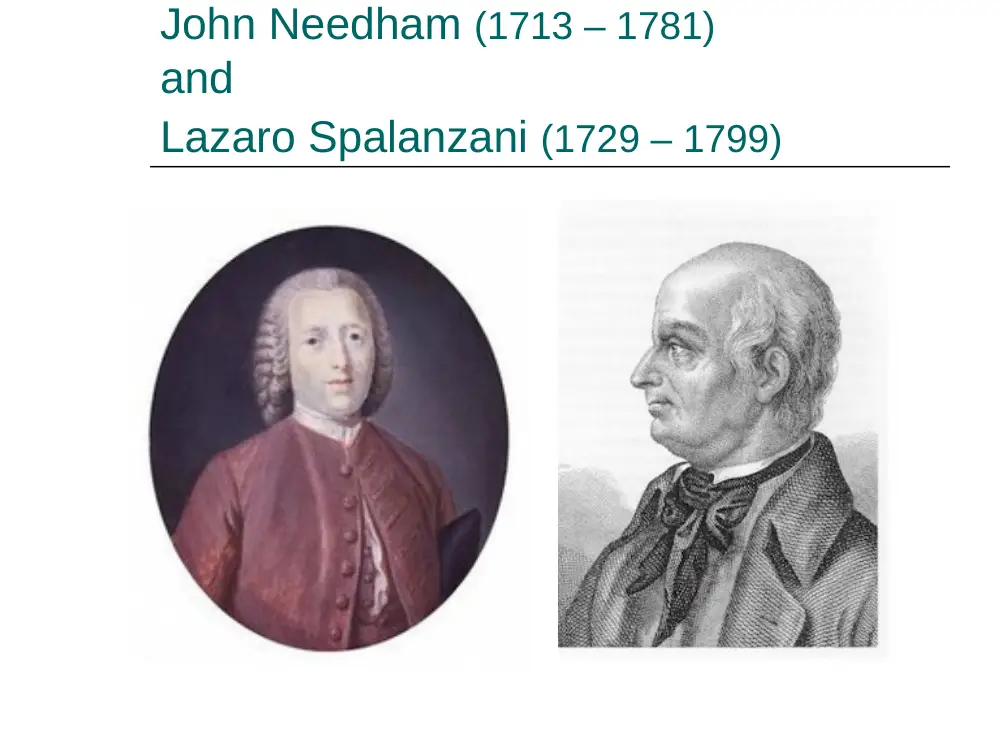
John Needham (1713 – 1781)
and
Lazaro Spalanzani (1729 – 1799)
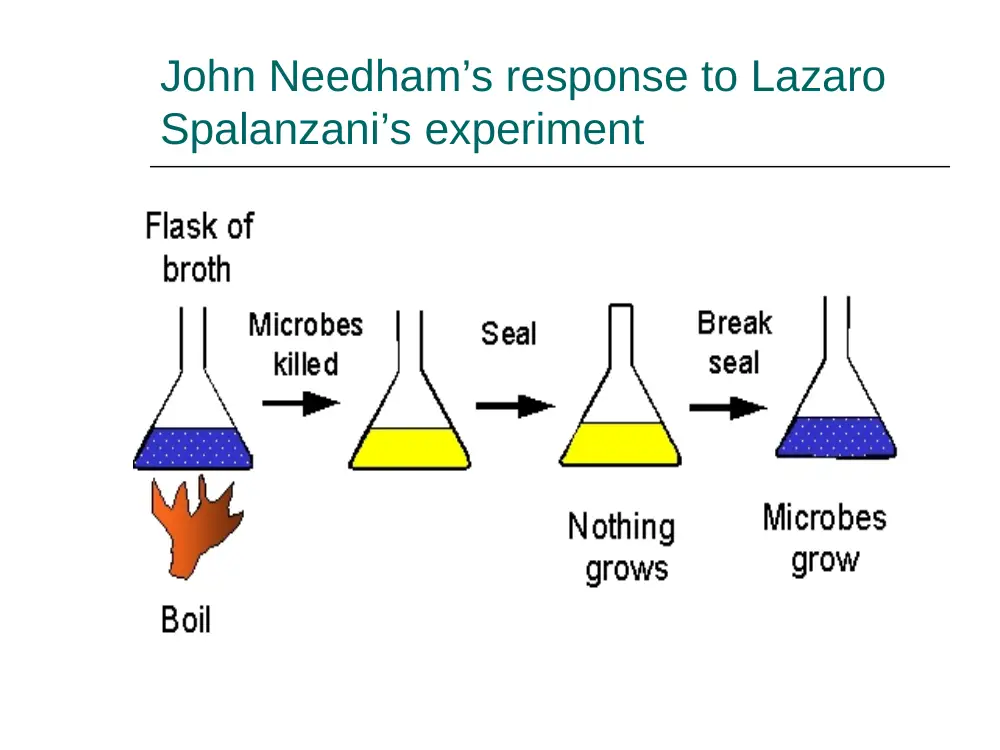
John Needham’s response to Lazaro
Spalanzani’s experiment
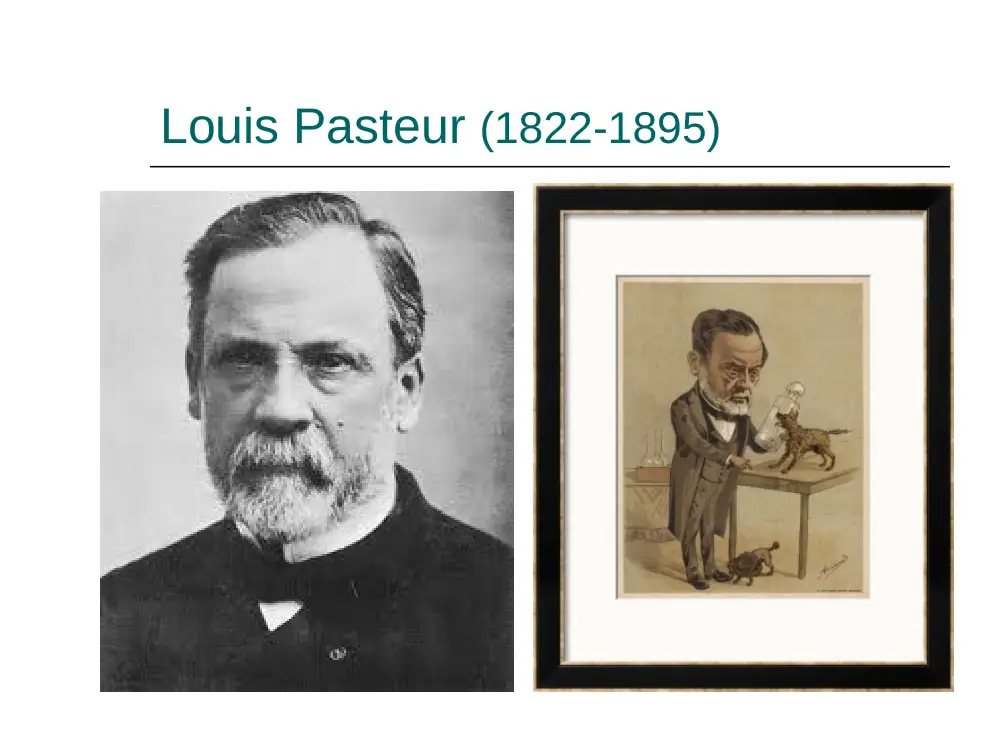
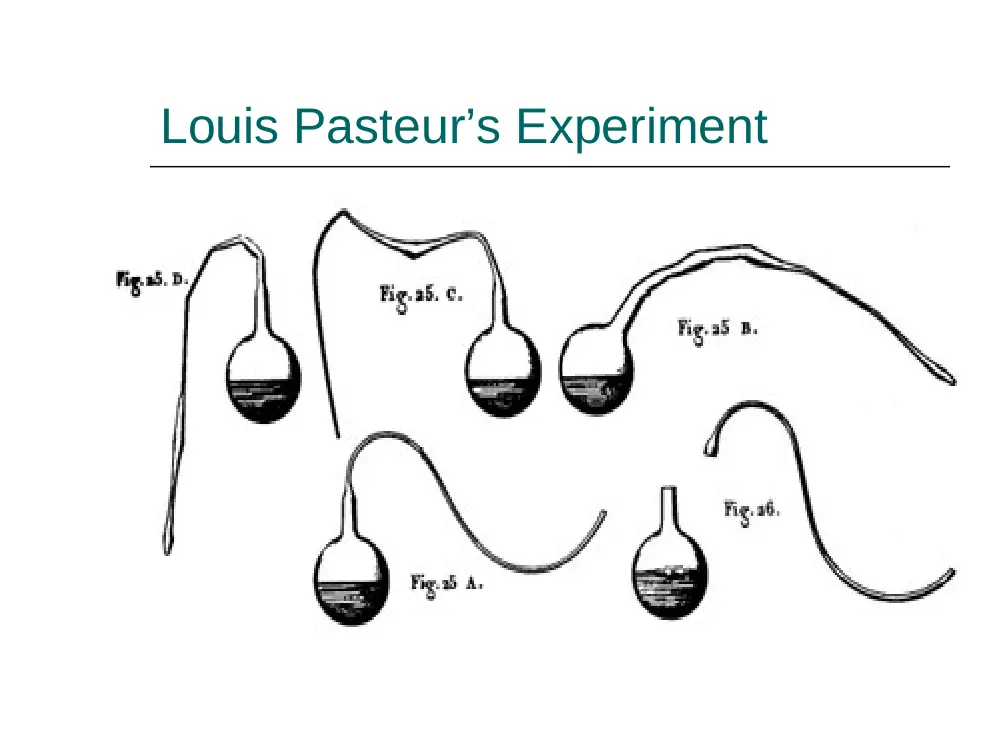
Louis Pasteur (1822-1895)
Louis Pasteur’s Experiment
Robert Koch (1843-1910)
Robert Koch's Other Contributions to
Science
Robert Koch's scientific achievements are indeed impressive and
multifaceted, ranging from basic discoveries of bacteria as infectious
agents, to revealing the role of bacteria in infectious disease and the
possible impact on public health. Listed below are some of Koch's
major scientific accomplishments:
He showed in a convincing way that microorganisms cause
disease in humans. He established Koch's Postulates.
Koch developed a technique for isolating bacteria on a
culture plate. This "Plate Technique" not only created the
foundation for bacteriological research, but became
indispensable for the study of bacterial genetics.
He made the first photomicrographs of bacteria. Koch was
the first to discover and describe the importance of drying
("fixing") a bacteria-containing sample on thin glass plates
(slides).
Robert Koch's Other Contributions
to Science
He discovered and worked out the life cycle of anthrax
bacteria, and showed the importance of spores for their
survival.
Koch discovered the staphylococcus, a major disease-
causing bacterium in wound infections. He isolated and
identified the bacterium that causes cholera, Vibrio cholerae.
Koch was instrumental in the development of essential
procedures and methods for disinfection and sterilization.
Koch was the first to observe that healthy human beings
could be carriers of disease-causing bacteria, and hence
responsible for the spread of infectious disease.
The Germ Theory of Disease
Microbiology - Disciplines
Microbiology covers several disciplines,
including:
- Virology (study of viruses)
- Bacteriology (study of bacteria)
- Mycology (study of fungi), and
- Parasitology (study of parasites).
Each of these disciplines may include
but is not limited to studies of infectious
disease-causing microorganisms.
Specialties within Microbiology
Specialties within microbiology may include:
- microbial physiology (i.e., microbial growth,
metabolism, structure),
- microbial genetics and evolution,
- environmental microbiology (i.e., microbial
ecology),
- industrial microbiology (i.e., industrial
fermentation, wastewater treatment),
Specialties within Microbiology
- food microbiology (i.e., use of microbes for
food production, fermentation).
- Medical microbiology (i.e., study of
diseases caused by infectious
microorganisms and their treatment)
- Pharmaceutical microbiology (i.e., use of
microbes for production of Pharmaceutical
products)
- Public Health microbiology (i.e., study of
methods for prevention of microbial
exposure and infection)