
CVSP 150 Final, Spring 2004
American University of Beirut · Art Appreciation · 4 pages
More CVSP 150 files
Show the text of this final exam
; . LInKaRY
American University of Beirut de ELE
Art Appreciation nee noone
CVSP 150(1)
DR. LINA ABYAD
1- Fill in the blanks. 18%
: pertaining to a sense of the
beautiful.
the = organizing
factors in the visual arts, including repetition, variety, contrast,
rhythm, balance, compositional unity, emphasis, economy, proportion,
and relationship to the environment.
:The subject matter of a work of
art and the emotions, ideas, symbols, stories, or spiritual connotations
it suggests. Traditionally contrasted with form.
the basic
components of the visual arts: line, shape or form, space, texture,
lighting, color, and perhaps time.
referring to art that does not
represent any known object.
VI. : the formal expression of a
conceived image or imagined conception in terms of a given medium.
2- Match the following words with their appropriate definition. 21%
Op Art, Neo-classicism, Post-Impressionism, Romanticism,
Naturalism, Impressionism, Surrealism, Realism, Expressionism, Cubism, Pop
Art, Port-Modernism
The late eighteenth -and early nineteenth-century return to classical
aesthetics in Europe:
Transcendence of the perceived imitations of impressionism by mid-
nineteenth ad early twentieth -century artists such as Cézanne,
Seurat, Gauguin, and van Gogh:
An art movement particularly strong in Germany prior to World War
I, in which the artist reports inner feelings rather than outer
realities:
The tendency to emphasize emotion and imagination rather than logic,
occurring at many times in the history of Western art, including the
first half nineteenth century. Traditionally contrasted with
classicism:
An early twentieth century art movement dominated by Picasso and
Braque, distinguished by :ts experiments with analyzing forms into
VIT.
planes seen from many side at once and by liberation of art from
representational depictions:
An art based on dreamlike images from the subconscious, appearing as
a recognized movement beginning in the 1920s:
An art movement in late nineteenth-century France, in which the
artist attempts to capture what the eye actually sees before the eye
actually sees before the brain interprets the image. This may be a
surface broken by fragmented lights or an ephemeral movement in
time:
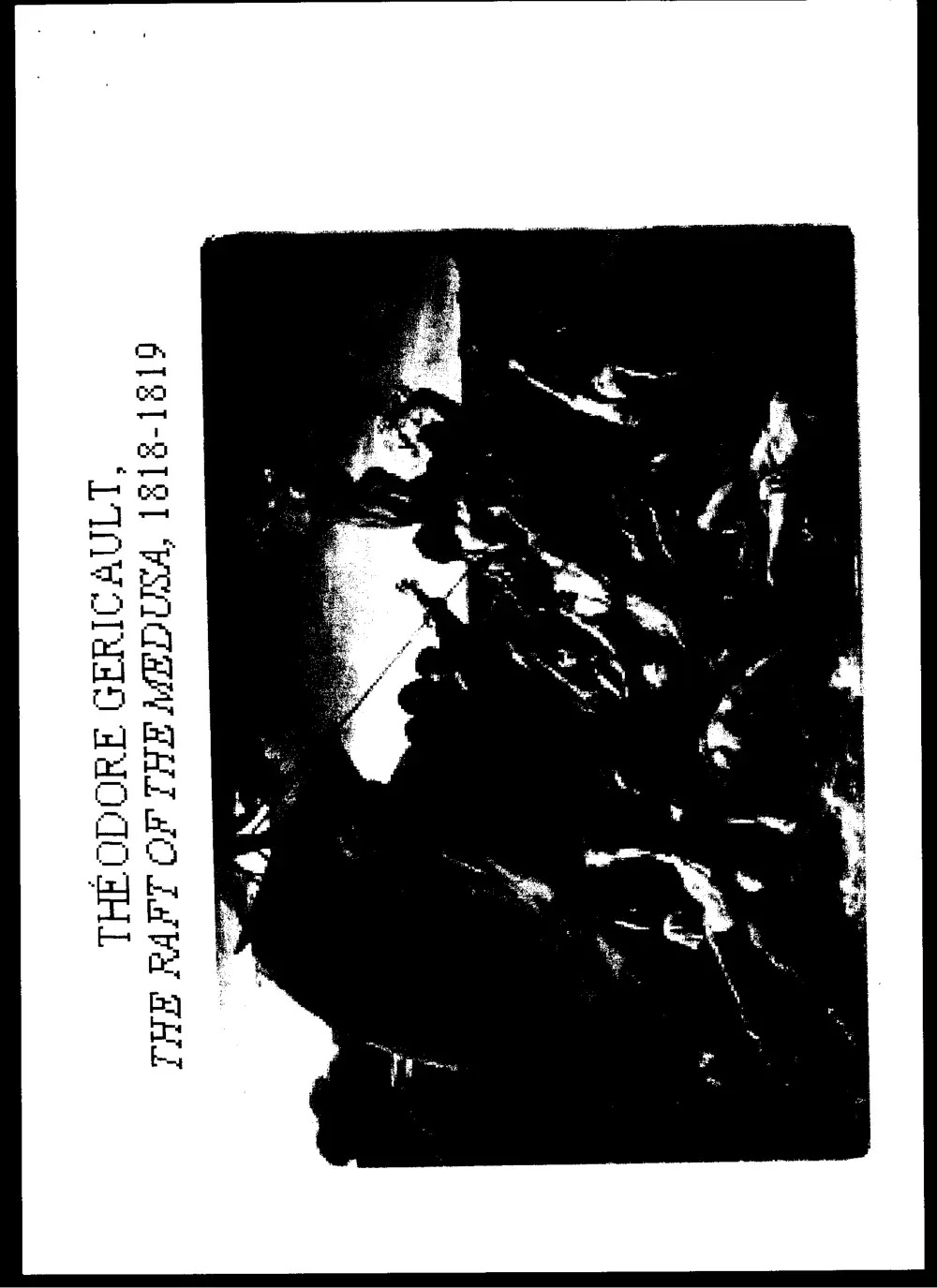
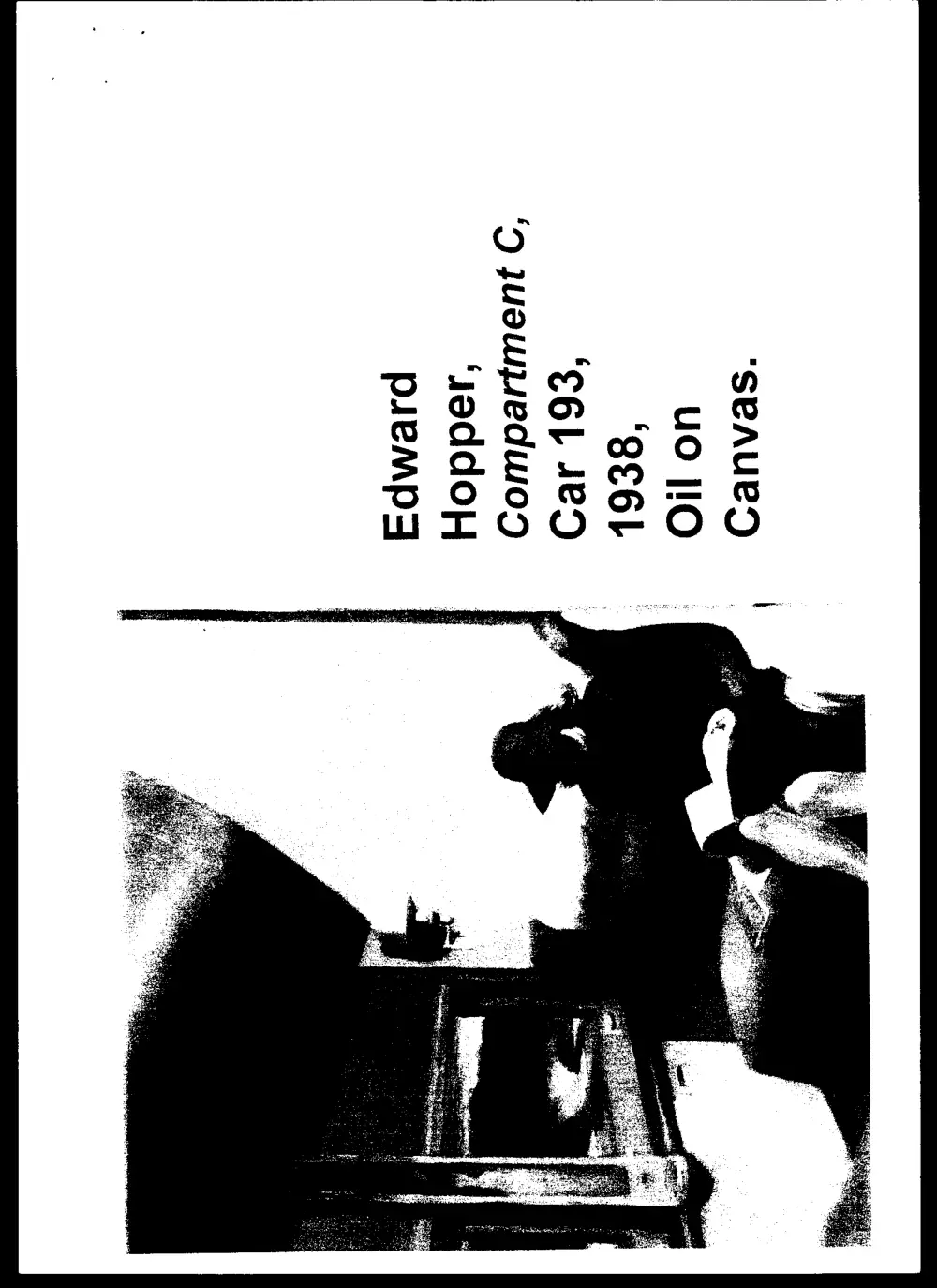
3- You will be shown two paintings. Write in an essay form your critic of
these paintings. Organize your ideas and support your statements by
referring to particular elements in the work of art and use vocabulary of art
terms. 61%
G1S1-2181 FSi gas
‘Laine ado AAOdO AHL
‘SseAURD
uo |!O
‘SE6L
C6) 48D
‘7. JuUaWwIeduio0g
‘oddopy
psemMps