
HLT 201 Chapter 1, Spring 2016
Lebanese American University · Basic Health · 55 pages


Showing the first 10 of 55 pages. Download the PDF to see all of it.
More HLT 201 files
Show the text of this chapter
HLT201
Chapter 1: Nutrition and healthy diet
Omar Bou Hamdan, MD
Introduction to nutrition
It is necessary to have an understanding of
the nutritional needs of the body, i.e. the
dietary constituents and their functions within
the body.
A good balanced diet and
dietary habits are essential for
good health.
Healthy Diet
A healthy diet is one that helps maintain or
improve health.
It is important for the prevention of many chronic
health risks such as: obesity, heart disease,
diabetes, and cancer
A healthy diet involves consuming appropriate
amounts of all nutrients
A nutrient is any substance that is digested,
absorbed and utilized to promote body function.
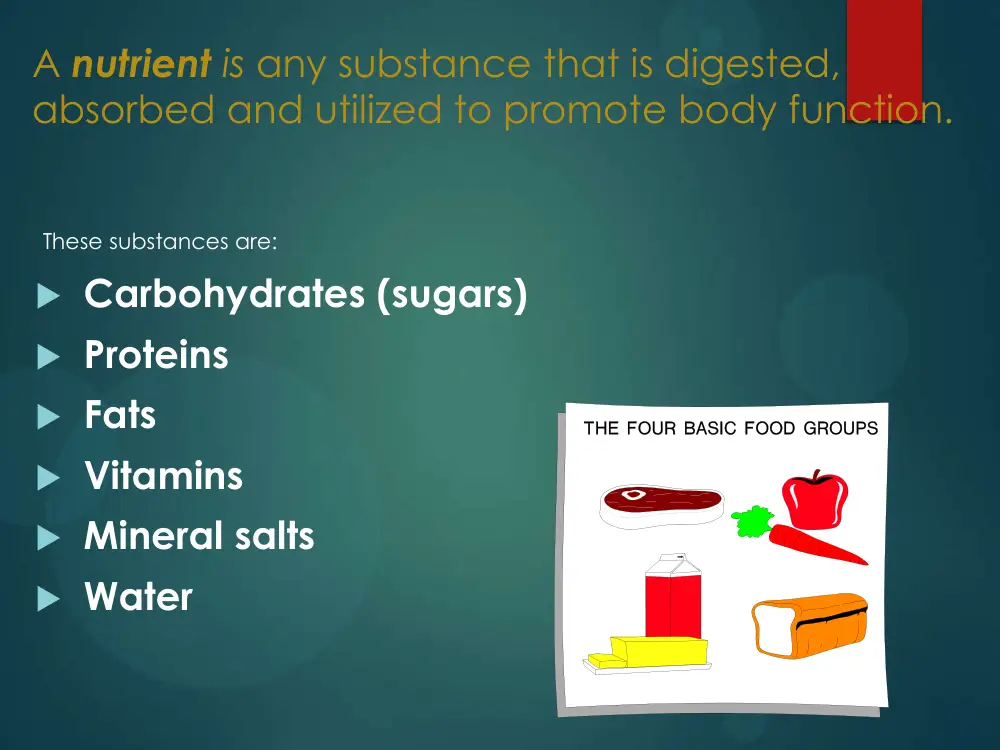
These substances are:
Carbohydrates (sugars)
Proteins
Fats
Vitamins
Mineral salts
Water
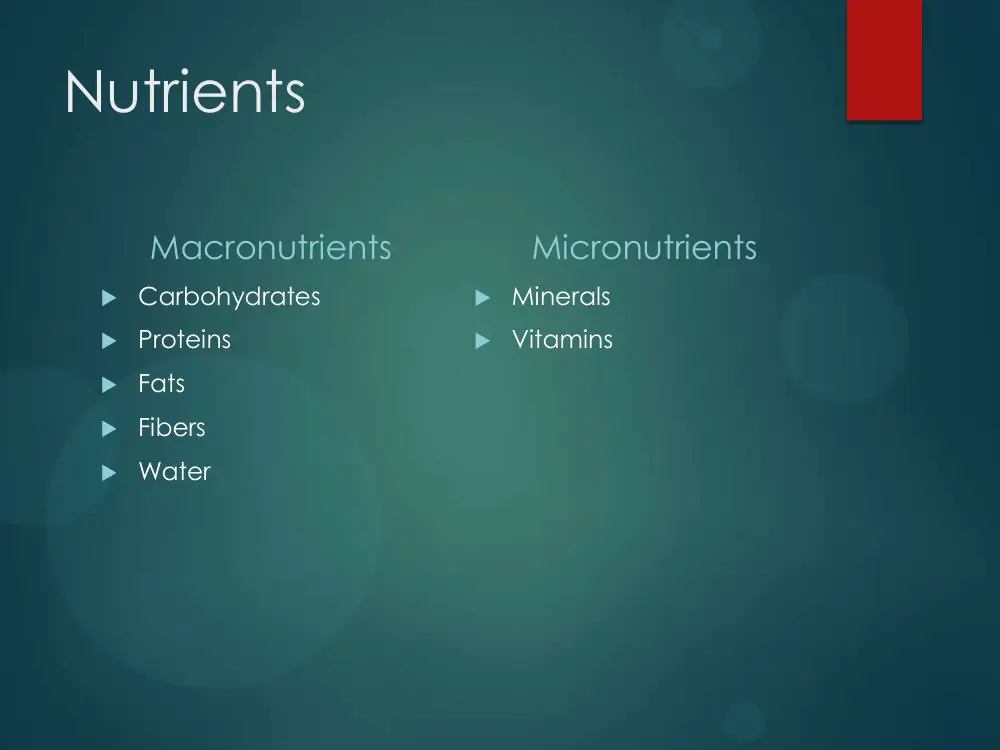
Nutrients
These nutrient classes can be categorized as either:
1.
Macronutrients :needed in relatively large
amounts
2. Micronutrients :needed in smaller quantities
Nutrients
Macronutrients
Carbohydrates
Proteins
Fats
Fibers
Water
Micronutrients
Minerals
Vitamins
Carbohydrates
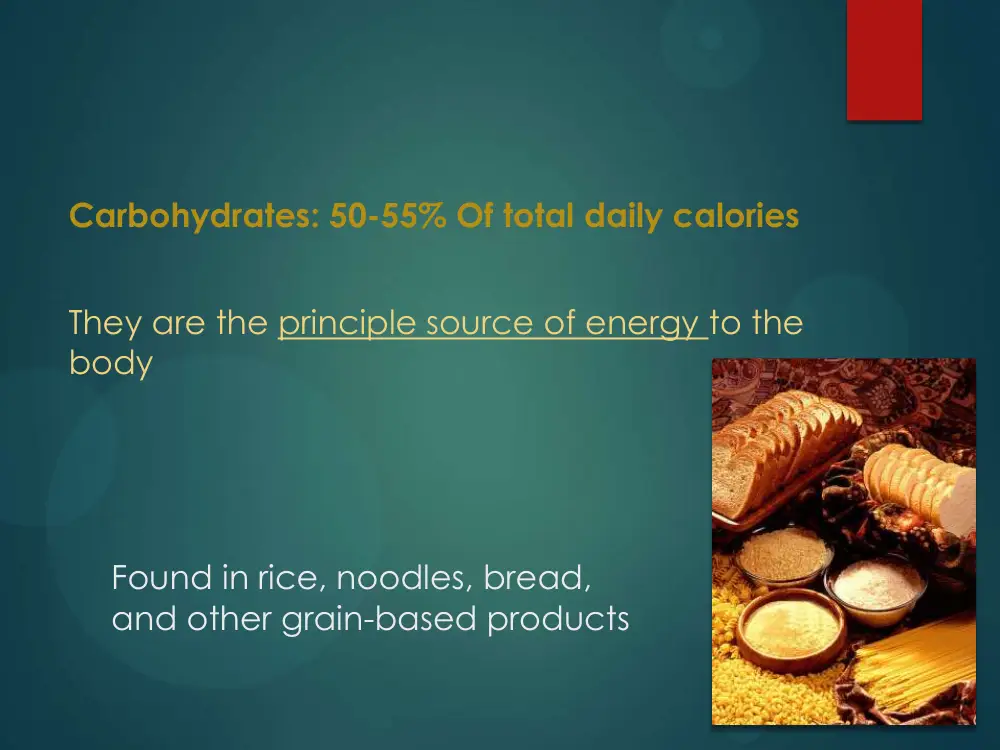
Found in rice, noodles, bread,
and other grain-based products
Carbohydrates: 50-55% Of total daily calories
They are the principle source of energy to the
body
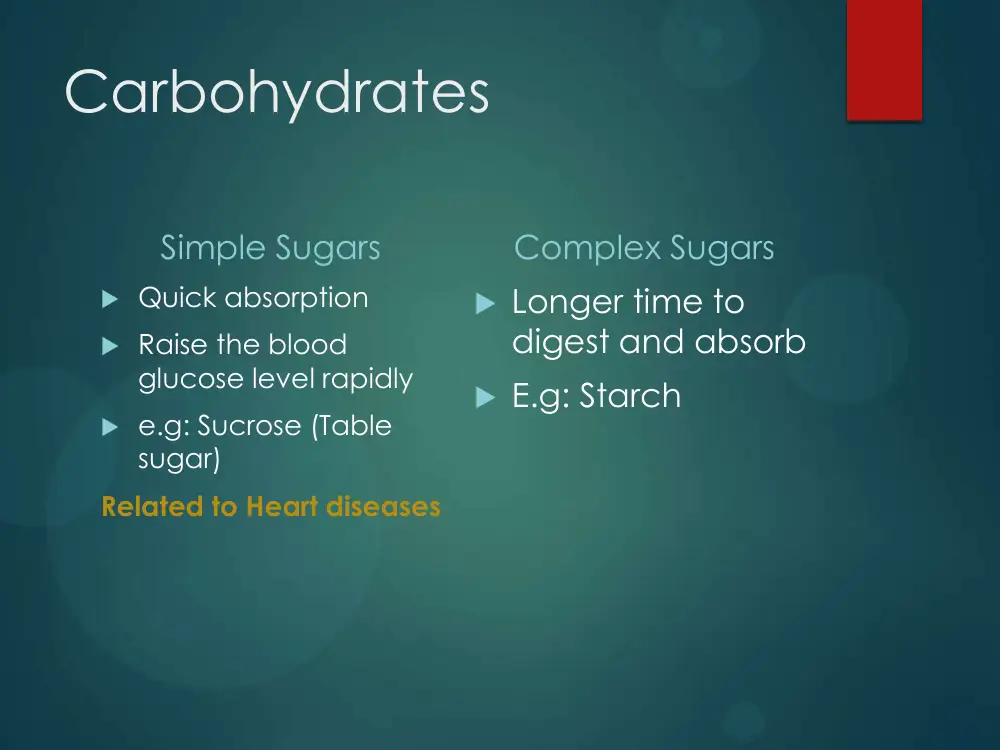
Carbohydrates
Simple Sugars
Quick absorption
Raise the blood
glucose level rapidly
e.g: Sucrose (Table
sugar)
Related to Heart diseases
Complex Sugars
Longer time to
digest and absorb
E.g: Starch
Carbohyrates
Dietary guidelines generally recommend that
complex carbohydrates (starches) and nutrient-
rich simple carbohydrates such as fruits and
vegetables, and dairy products make up the bulk
of carbohydrate consumption
Glycemic index
The glycemic index of a carbohydrate represents
how quickly its consumption increases blood
sugar levels.
Values range from 1 (the slowest) to 100 (the
fastest, the index of pure glucose).
The glycemic index tends to be lower for complex
carbohydrates than for simple carbohydrates, but
there are exceptions. For example, fructose (the
sugar in fruits) has little effect on blood sugar.
Glycemic index
The glycemic index is thought to be important
because carbohydrates that increase blood
sugar levels quickly (those with a high glycemic
index) also quickly increase insulin levels.
The increase in insulin may result in low blood
sugar levels (hypoglycemia) and hunger, which
tends to lead to consuming excess calories and
gaining weight.
Carbohydrates with a low glycemic index do not
increase insulin levels so much. As a result, people
feel satiated longer after eating..
Glycemic index
Consuming carbohydrates with a low glycemic
index also tends to:
result in more healthful cholesterol levels and
reduces the risk of obesity
Reduces the risk of diabetes mellitus and, in
people with diabetes, the risk of complications
due to diabetes
Proteins
Proteins
The most abundant substances in the body
Basis of body structures: muscles, bones and hair
Few amount is used for energy production
Requirement is 60 g/day, 10- 15% of total calories
Sources:
Animal: Meat/ Egg/ Dairy products/ Fish/ Chiken
Plant: Soy/ Grains/ Legumes
Proteins
Animal Proteins
Complete as they
contain all the
essential amino acids
which the body can’t
make
Also contains
saturated fats which
increase the CHD risk
Plant Proteins
Partially complete as
they lack few essential
acids
Can be combined
together to form a full
protein
Less risk of heart
diseases
Functions of proteins
Growth and repair of body cells and tissues
Synthesis of enzymes, plasma proteins, antibodies
(immunoglobulins) and some hormones
Provision of energy.
When protein is eaten in excess of the body s needs, it is
converted to fat.
Fats/ Lipids
Fats
The type of the fat consumed is more important than
the amount of total fat
They are packed with calories : Provide 9 Cal/g
compared to 4 Cal /g in proteins and carbs
Fats
Recommendations Fat should contribute to <30%
of total calories
The body stores excess fat in:
-
Abdomen (omental fat)
-
Skin (subcutaneous tissue)
-
Blood vessels leading to atherosclerosis
-
In organs as liver leading to dysfunction
Functions of fats
Provision of a source of chemical energy and heat
Storage of energy as fat in adipose tissue under the skin when eaten
in excess of requirements
Insulation as a subcutaneous layer it reduces heat loss through the
skin
Satiety when gastric contents containing fat enter the duodenum, the
emptying time of the stomach is prolonged, postponing the return of
hunger.
Fats
Associated with increased cholesterol levels in the
body and coronary heart diseases
Fats
Saturated
•Monounsaturated
•Polyunsaturated
•Transfats
Unsaturated
Fats
Saturated
Solid at room
temperature
Animal source: cheese,
butter, red meat, whole
milk
Unsaturated fats
Liquid at room
temperature
E.g: Oils
Transfats
These are rare in nature and
in foods from natural sources;
They are typically created in
an industrial process called
partial hydrogenation.
Omega 3 fatty acids
A diet rich in omega-3 fatty acids may reduce the
risk of coronary artery disease.
Lake trout and certain deep-sea fish contain
large amounts of omega-3 fatty acids.
Lipids and cholesterol
level
Different types of dietary fat have different effects on
blood levels of cholesterol:
Monounsaturated fats tend to lower LDL and raise HDL
Polyunsaturated fats tend to decrease both types of
cholesterol;
Saturated fats tend to either raise HDL, or raise both
HDL and LDL;
Trans fat tend to raise LDL and lower HDL.
Lipids
Type of Fat
Source
Monounsaturated
Avocado, olive, and peanut oils
Peanut butter
Polyunsaturated
Canola, corn, soybean, sunflower,
and many other liquid vegetable
oils
Saturated
Meats, particularly beef
Full-fat dairy products such as
whole milk, butter, and cheese
Coconut and palm oils
Artificially hydrogenated vegetable
oils
Type of fat
Source
Omega-3 fatty acids
Flaxseed
Lake trout and certain deep-sea
fish, such as mackerel, salmon,
herring, and tuna
Green leafy vegetables
Walnuts
Omega-6 fatty acids
Vegetable oils (including sunflower,
safflower, corn, cottonseed, and
soybean oils)
Fish oils
Egg yolks
Trans fats
Commercially baked foods, such as
cookies, crackers, and doughnuts
Some french fries and other fried
foods
Margarine
Shortening
Potato chips
Fibers
Fibers
Dietary fiber consists of the indigestible part of plant
foods: Mechanical benefit
Ex: Pectin, cellulose, gum…
Decrease the risk of coronary heart disease and
stroke,protects against type 2 diabetes, and colon
cancer, prevents constipation
Sources:
Whole grains/ Breakfast cereals/ Fruits and vegetables
To meet your fiber
requirements: 30g/day
Eat plenty of fresh fruits and vegetables
Eat a whole fruit rather THAN FRUIT JUICE
Do not overcook vegetables and eat some raw
Eat the skin of fruits and vegetables
Choose whole grain cereals, wholemeal bread
Water
WATER
Water
It constitutes 70% of non fat mass of the body
Requirements: 8-10 glasses daily (2Liters)
20% of water intake comes in food
A large amount of water is lost each day in feces,
sweat, breath, and urine.
FUNCTIONS OF WATER
provision of the moist internal environment which is
required by all living cells in the body,
participation in all the chemical reactions which occur
inside and outside the body cells
regulation of body temperature
Vitamins
VITAMINS
Water Soluble:
B, C.
Fat Soluble:
A,D,E,K.
NO caloric
Value
Vitamins
Vitamin A (retinol): Night vision
Vitamin D
Vitamin D regulates calcium and phosphate metabolism
Deficiency result in Osteoporosis
Adequate calcium
and vitamin D intake
are important,
particularly in
women, to reduce
the risk of
osteoporosis in which
bones become
weak, thin and easily
fractured
Vitamin D
Folate
Folate is a type of B vitamin that is important in the
production of red blood cells.
Low levels of folate in
pregnant women have
been linked to a group
of birth defects called
neural tube defects,
which includes spina
bifida and
anencephaly.
Folate
MINERALS
Iron
Calcium
Sodium
NO Caloric
Value
Iron
Iron is an essential element for blood production.
Mostly found in the red blood cells as hemoglobin, which
transfers oxygen in the blood
It is also a component of certain proteins essential for body
functions
Some foods rich in iron include:
Meat and Poultry
Seafood
Vegetables (Greens, beans…)
Iron deficiency causes anemia
Antioxidants
Antioxidants are substances that may protect your
cells against the effects of free radicals.
Free radicals are molecules produced when your
body breaks down food, or by environmental
exposures like tobacco smoke and radiation.
Free radicals can damage cells, and may play a role
in heart disease, cancer and other diseases.
Antioxidants are found in many foods. These include
fruits and vegetables, nuts, grains, and some
meats, poultry and fish.
Antioxidants
Antioxidant substances include
Beta-carotene
Lycopene
Selenium
Vitamin A
Vitamin C
Vitamin E
Healthy eating guidelines
PYRAMID/ PLATE
Figure 1: The main food groups and their recommended proportions within a balanced diet
Healthy Eating plate
WHO recommendations
The WHO makes the following 5 recommendations for a healthy diet:
Achieve an energy balance and a healthy weight
Limit energy intake from total fats and shift fat consumption away from
saturated fats to unsaturated fats and towards the elimination of trans-fatty
acids
Increase consumption of fruits and vegetables, whole grains and nuts
Limit the intake of simple sugar. A 2003 report recommends less than 10%
simple sugars.
Limit salt/ sodium consumption from all sources and ensure that salt is iodized
Healthy Diet
Limit intake of refined sugars
Limit the intake of fat especially saturated fat (use
Low fats when possible)
Avoid transfats
Limit your sodium intake (substitute with herbs and
spices)
Reduce your consumption of artificial colorings,
preservatives and other food additives
Eat more fruits and vegetables (whole fruits)
Drink enough water
Get your calcium rich foods
Summary
The first principle of a healthy diet is simply to eat
a wide variety of foods.
You should also try to maintain a balance
between calorie intake and calorie
expenditure—that is,
“don't eat more food than your body
can utilize”
THANK
YOU