
HLT 201 Chapter 3, Spring 2016
Lebanese American University · Basic Health · 38 pages


Showing the first 10 of 38 pages. Download the PDF to see all of it.
More HLT 201 files
Show the text of this chapter
HLT201
Chapter 3: Diabetes
Omar Bou Hamdan, MD
Definition
A group of metabolic diseases in which a person
has high blood sugar because:
The body does not produce enough
insulin
or
The receptor cells do not respond to the
produced insulin
Overview
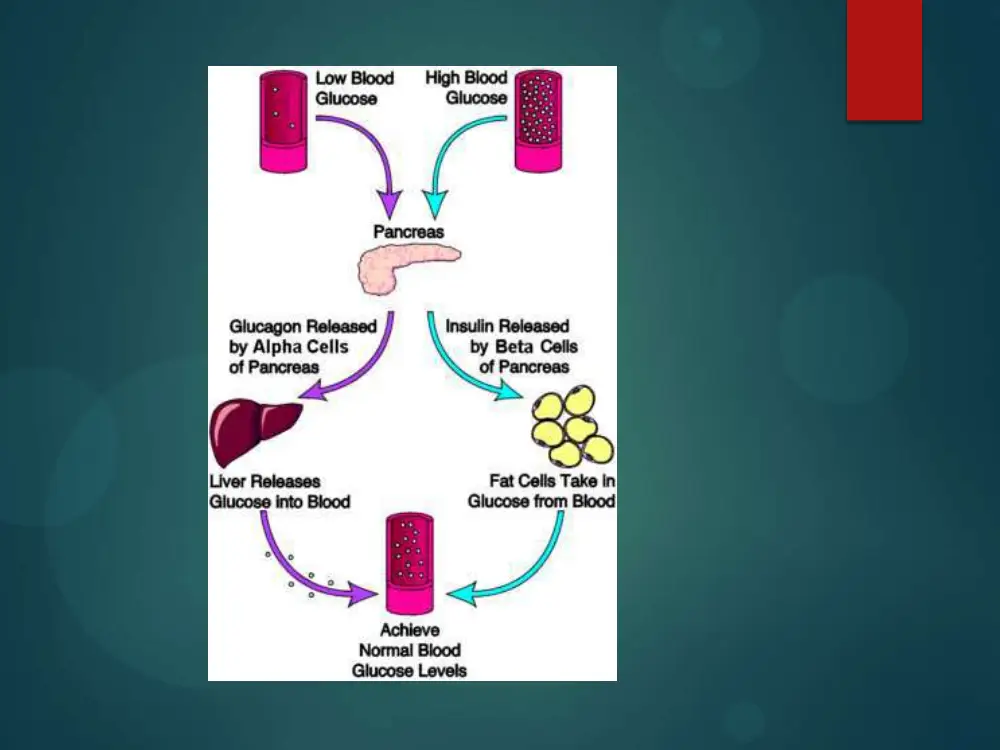
Insulin is a hormone that is needed to convert
sugar, starches and other food into energy
needed for daily life.
It is produced by the pancreas.
The cause of diabetes continues to be a mystery,
although both genetics and environmental
factors such as obesity and lack of exercise
appear to play roles.
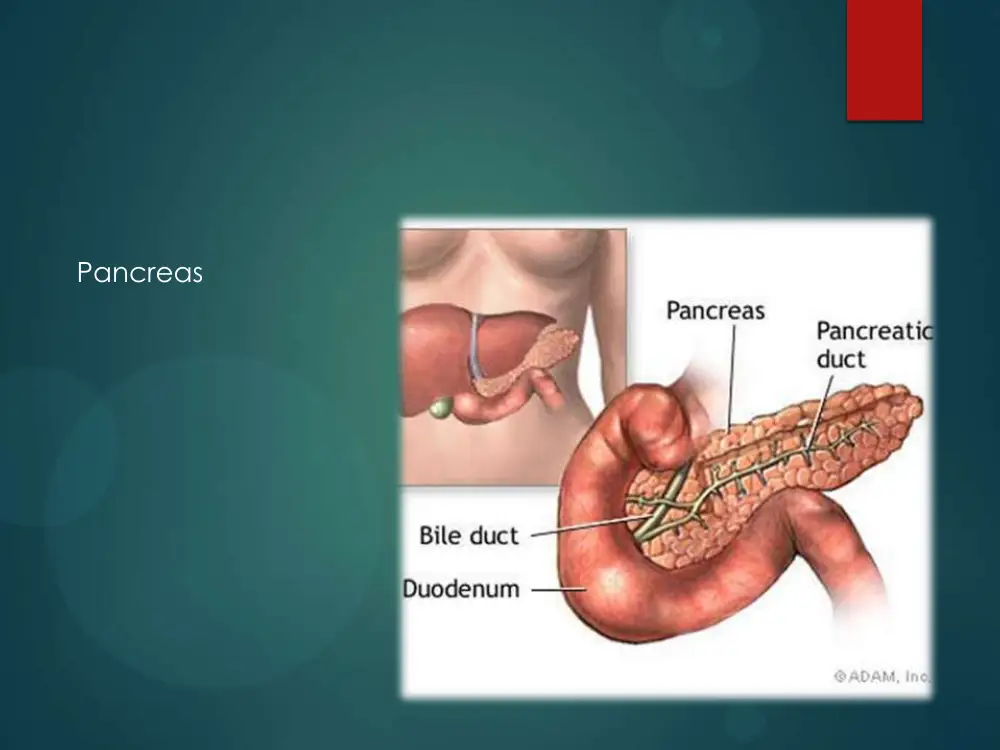
Pancreas
Genetics
Unlike some traits, diabetes does not seem to be
inherited in a simple pattern.
Yet clearly, some people are born more likely to
get diabetes than others.
Types
Type I: 10% of cases
Type II: Most common type
Gestational Diabetes: during pregnancy
Type I
Results from the body's failure to produce insulin.
t is estimated that 5-10% of Americans who are
diagnosed with diabetes have type 1 diabetes.
Appears at <40 yrs and in childhood.
Known as Insulin Dependent Diabetes, (IDD) or
Juvenile Diabetes
Type I
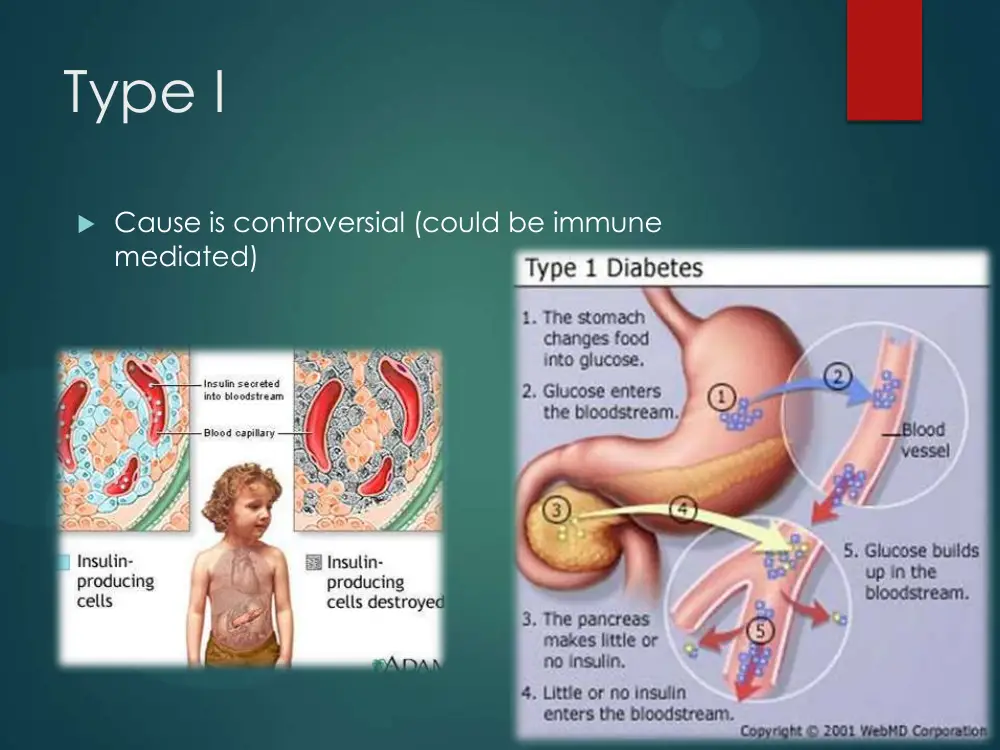
Cause is controversial (could be immune
mediated)
Type II
Results from insulin resistance: the body fails to
properly use insulin, combined with relative insulin
deficiency.
Most Americans who are diagnosed with DM
have type 2 diabetes.
usually appears in middle-aged or older people.
Type II
Type 2 diabetes develops slowly over a period of
years.
Some people may not notice any symptoms at all
and their diabetes is only picked up in a routine
medical check up.
Some people may put the symptoms down to
‘getting older' or 'overwork'.
Causes:
An interaction between genetic predisposition & lifestyle
factors
Life time risk of developing DMII is 5-10 x higher in 1st
degree relatives (sister/Brother/son/Daughter) of a
person with DMII compared to a person with no family
history of DM II
People at risk
Are people aged over 40 years and :
1. have a family history of diabetes
2. are overweight
3. have high blood pressure, heart disease or have had a
heart attack
4. have had a borderline high blood glucose test
5. are women with polycystic ovary syndrome who are
overweight.
6. are women who have had high blood glucose levels
during pregnancy (gestational diabetes).
Gestational diabetes
If a woman is 28 weeks pregnant. Her doctor has
just told her that she has gestational diabetes.
Should she be concerned about gestational
diabetes?
The short answer: yes.
Gestational diabetes affects about 4% of all pregnant
women
135,000 cases in USA each year.
Gestational diabetes
Pregnant women who have never had diabetes
before but who have high blood sugar (glucose)
levels during pregnancy are said to have
gestational diabetes.
The cause of gestational diabetes is unknown. It is
said that hormones from the placenta block the
action of the mother's insulin in her body.
This problem is called insulin resistance.
How G.diabetes can
affect the baby?
Although insulin does not cross the
placenta, glucose and other nutrients do.
So extra blood glucose goes through the
placenta, giving the baby high blood
glucose levels.
This causes the baby's pancreas to make
extra insulin to get rid of the blood glucose.
Since the baby is getting more energy than
it needs to grow and develop, the extra
energy is stored as fat.
Consequences
Macrosomia, or a "fat" baby.
Damage to their shoulders during birth.
Low blood glucose levels (Hypoglycemia) at birth.
Breathing problems.
Babies with excess insulin become children who
are at risk for obesity and adults who are at risk for
type 2 diabetes.
Pre-diabetes
Pre-diabetes is a condition that occurs when a person's
blood glucose levels are higher than normal but not high
enough for a diagnosis of type 2 diabetes.
54 million Americans have pre-diabetes.
Recent research has shown that some long-term damage
to the body, especially the heart and circulatory system,
may already be occurring during pre-diabetes.
What are the signs and symptoms
of diabetes?
being very thirsty
urinating often
feeling very hungry or tired
losing weight
having sores that heal slowly
having dry, itchy skin
Loss of feeling or tingling in the feet
blurred vision
Complications
1. Heart and Blood Vessels:
2. Eyes: Cataract (opacification of the lens)
3. Kidneys: renal failure
4. Nerves: neuropathy ( nerve dysfunction)
5. Feet : foot ulcers: non healing
Others:
Digestion: constipation
Mouth: gums, and teeth
sexual response : erectile dysfunction
mood changes : depression.
How can diabetes affect
cardiovascular health?
Cardiovascular disease is the leading cause of early death
among people with diabetes.
Adults with diabetes are two to four times more likely than
people without diabetes to have heart disease or
experience a stroke.
At least 65% of people with diabetes die from heart disease
or stroke.
About 70% of people with diabetes also have high blood
pressure.
How can diabetes affect the
sexual response?
Many people with diabetic nerve damage have
trouble having sex.
Men can have trouble maintaining an erection
and ejaculating.
Women can have trouble with sexual response
and vaginal lubrication.
Both men and women with diabetes can get
urinary tract infections and bladder problems
more often than average.
Complications
A. Vascular Complications- vasculopathy:
Coronary heart diseases
Stroke
Complications
B. Retinopathy (Disease of the eyes)
Can lead to blindness
Complications
C. Nephropathy (Disease of the kidneys)
Can lead to kidney failure and need for dialysis
Comlications
D. Neuropathy (Disease of the nervous system)
Can lead to foot ulceration and possible amputation
Diabetic foot
Things that do not cause
diabetes
Eating sweets or sugar does not cause diabetes
Stress does not cause diabetes although it may
make the symptoms worse in people who already
have the condition.
Sometimes an accident or an illness may reveal
diabetes if it is already there, but they do not
cause it.
You cannot catch diabetes from somebody, nor
can you give it to anyone.
Is it curable?
Although diabetes cannot yet be cured, it can be
managed very successfully.
CHRONIC DISEASE
The aim of diabetes management is to keep blood
glucose levels as near to normal as possible (70-110
mg/dl) before meals and up to 160 mg/dl two
hours after a meal).
Type I treatment
Type I: Insulin injections and diet
Type II treatment
Diet control
Drugs (oral hypoglycemic agents)
Physical exercise
Treatment of complications
Dietary management:
Use of artificial sweeteners (aspartame,
saccharin..)
Low fat diet
Low sodium diet
High fiber diet
Avoid weight gain
Gestational diabetes
treatment
1.Diet: limit intake by 30% or less of daily calories.
2. Physical exercise
3. Insulin Injections
Gestational diabetes usually goes away after
pregnancy.
But once you've had gestational diabetes, your
chances are 2 in 3 that it will return in future
pregnancies.
Blood sugar surveillance
Fasting blood sugar level, lab test
Daily blood sugar ( 1-4x) –finger prick
Long-term blood glucose levels (HbA1c) should
be checked every three or four months, or at least
once a year.
It’s a percentage normally equal to 5.7-6.5%
Prognosis
Regular medical care, compliance with dietary
and medical treatment are ESSENTIAL
Despite the risks associated, most people can live
active lives and continue to enjoy the foods and
activities they enjoyed before being diagnosed
Key messages
Keeping blood glucose, blood pressure, and
cholesterol in control can make a difference in
reducing your risk for heart attack or stroke.
In diabetics
Annual dilated eye exams and routine foot exams
and blood pressure checks can prevent blindness,
amputations, heart disease, kidney disease, and
strokes.
References
www.ADA.com
www.diabetes.org.uk