
HLT 201 Chapter 2, Spring 2016
Lebanese American University · Basic Health · 46 pages
Showing the first 10 of 46 pages. Download the PDF to see all of it.
More HLT 201 files
Show the text of this chapter
HLT201
Chapter 2: Common medical problems
Omar Bou Hamdan, MD
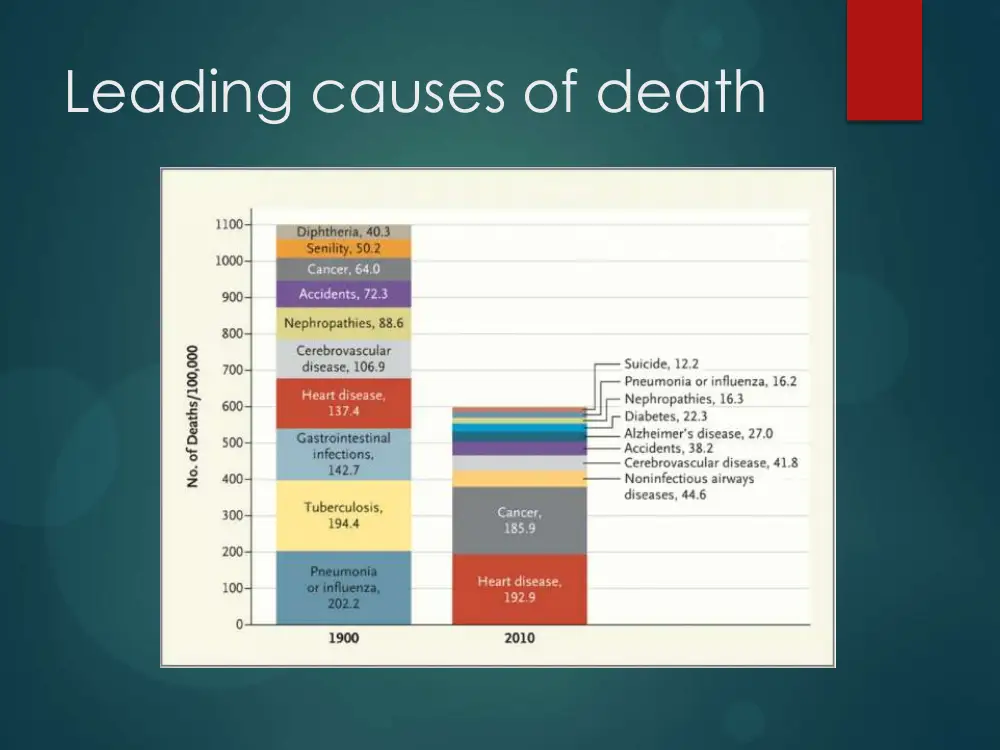
Leading causes of death
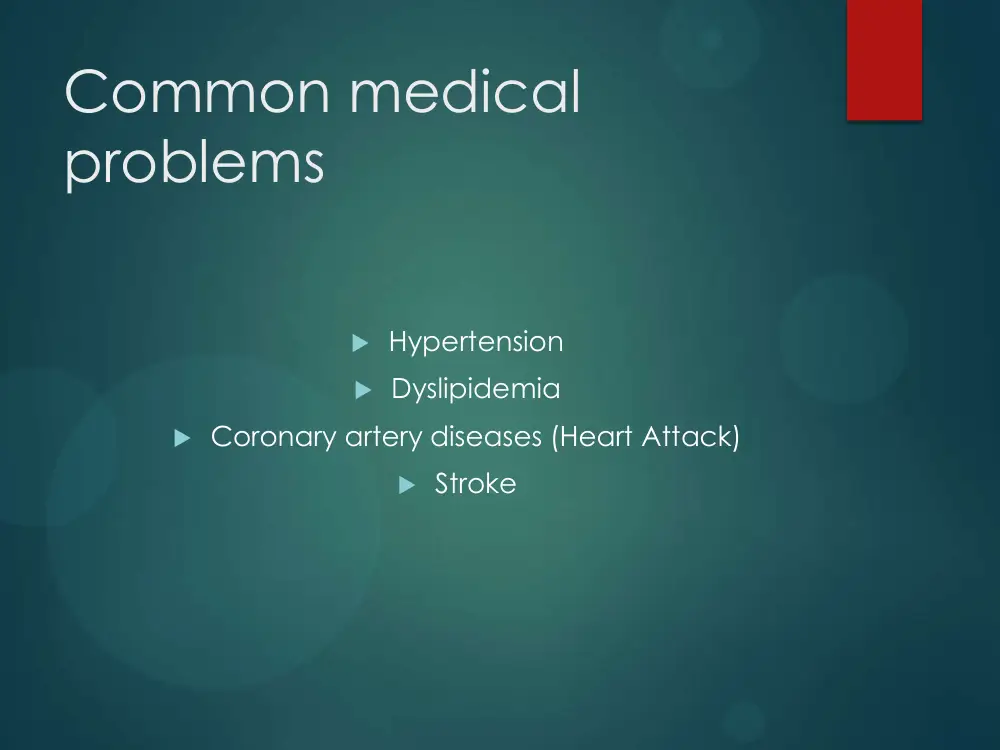
Common medical
problems
Hypertension
Dyslipidemia
Coronary artery diseases (Heart Attack)
Stroke
Hypertension
Definition
Hypertension is the term
used to describe high
blood pressure.
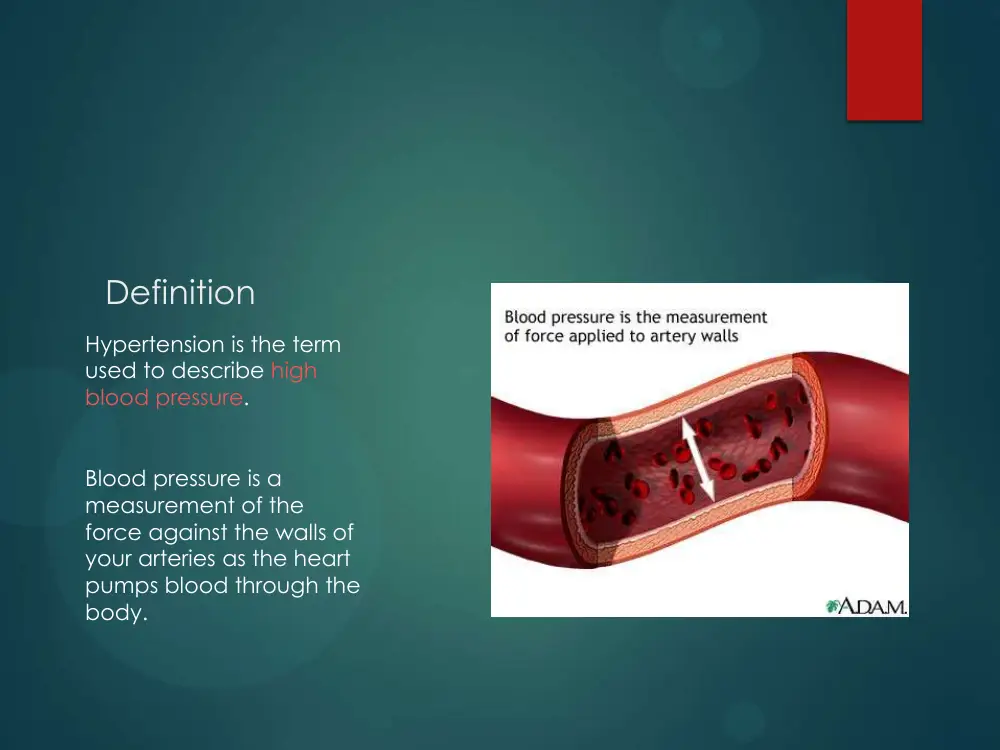
Blood pressure is a
measurement of the
force against the walls of
your arteries as the heart
pumps blood through the
body.
Measuring BP
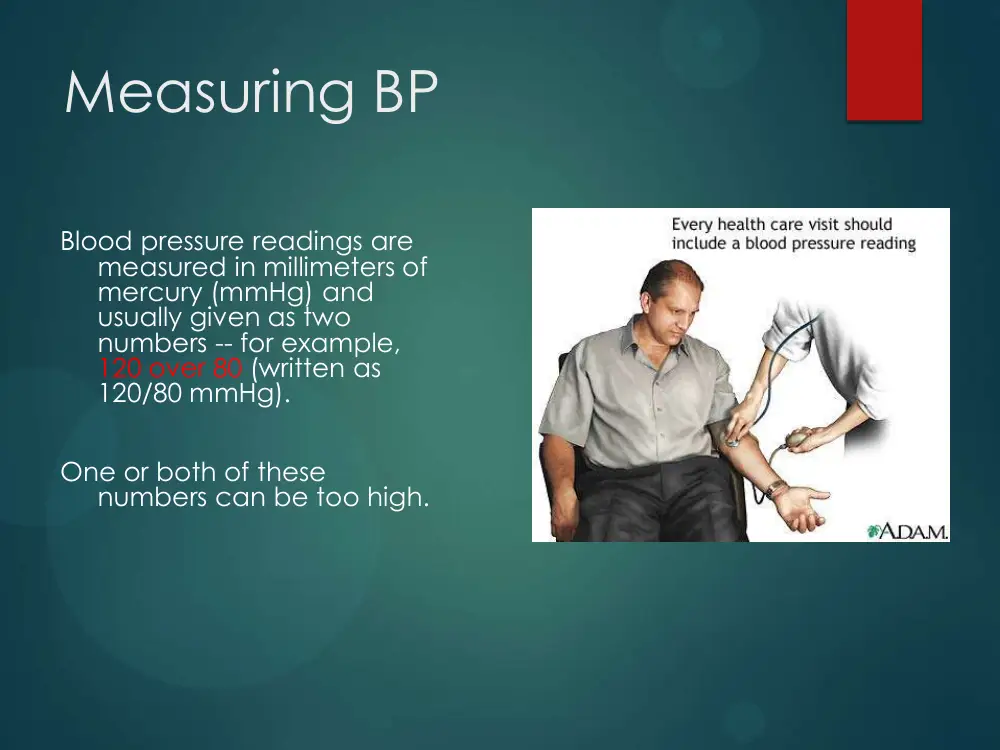
Blood pressure readings are
measured in millimeters of
mercury (mmHg) and
usually given as two
numbers -- for example,
120 over 80 (written as
120/80 mmHg).
One or both of these
numbers can be too high.
Measuring BP
The top number is the systolic pressure.
It is considered high if it is over 140 most of the time.
The bottom number is the diastolic pressure.
It is considered high if it is over 90 most of the time.
Measuring BP
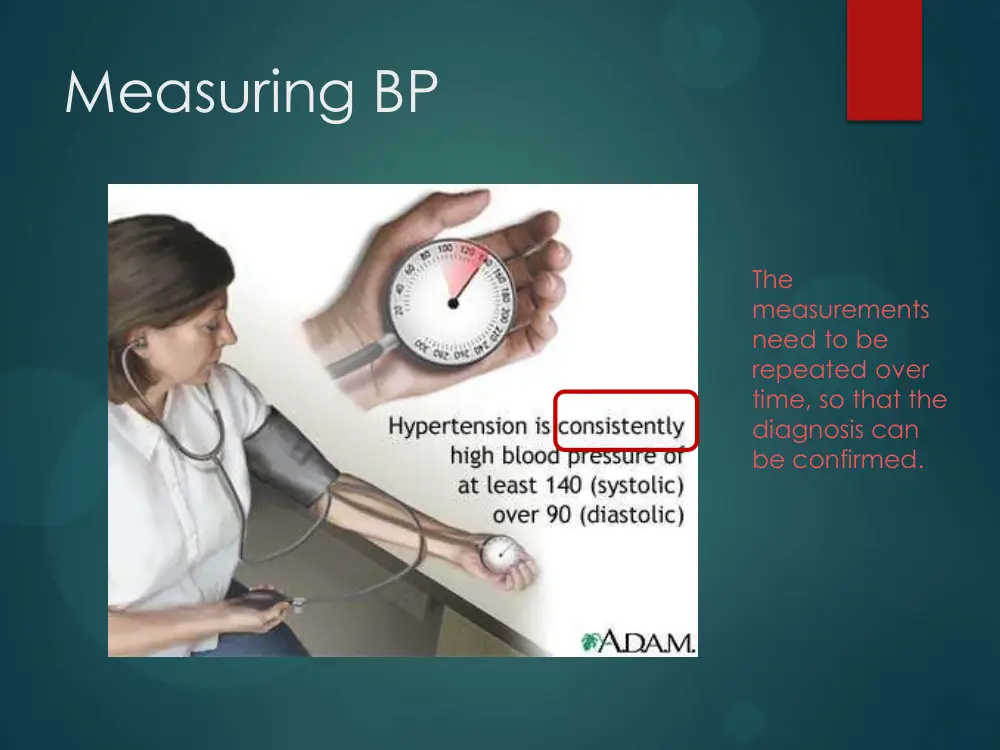
The
measurements
need to be
repeated over
time, so that the
diagnosis can
be confirmed.
Causes of hypertension
Risk factors for high blood pressure :
obesity
stressful lifestyle
too much salt in the diet
a family history of high blood pressure
Diabetes
Smoking
Aging (vessels become stiffer)
Causes of hypertension
Most of the time, no cause is identified. This is called essential hypertension i.e, primary
hypertension
High blood pressure that is caused by another medical condition or medication is called
secondary hypertension 10% of cases, it may be due to:
Alcohol abuse
Atherosclerosis
Chronic kidney disease
Cocaine use
Endocrine disorders
Medications
Appetite suppressants
Birth control pills
Certain cold medications
Corticosteroids
Others
Salt and
hypertension
Research shows a strong
dose-dependent
relationship between
consuming too much salt
and raised levels of blood
pressure—as sodium intake
increases, so does blood
pressure for most people.
The 2010 Dietary Guidelines
for Americans recommend
limiting sodium to less than
2,300 milligrams (mg) per
day.
Symptoms of hypertension
Most of the time, there are NO symptoms. Symptoms
that may occur include:
Confusion
Ear noise or buzzing
Fatigue
Headache
Nosebleed
Vision changes
THE SILENT KILLER
Screening
The U.S. Preventive Services Task Force (USPSTF)
recommends screening for high blood pressure in
adults aged 18 and older every 2 years
Complications
If left untreated, hypertension can lead to the
thickening of arterial walls causing its lumen, or
blood passage way, to narrow in diameter. As a
result, the heart must work harder to pump blood
through the narrowed arterial openings.
In addition, people with hypertension may be more
susceptible to stroke.
Treatment
Treatment
Lifestyle modifications:
A healthy diet, including potassium and fiber
Regular exercise
Smoking cessation
Restriction of alcohol intake
Limit the amount of sodium (salt)
stress reduction
Healthy body weight
Treatment
There are many different medications that can be
used to treat high blood pressure, more than one
medication is usually needed
Prevention
Adults over 18 should have their blood pressure
checked routinely.
Lifestyle changes may help control your blood
pressure
Summary
Often no cause for high blood pressure can be
identified, but sometimes it occurs as a result of an
underlying disorder of the kidneys or a hormonal
disorder.
Obesity, a sedentary lifestyle, stress, smoking, and
excessive amounts of alcohol or salt in the diet all
can play a role in the development of high blood
pressure in people who have an inherited tendency
to develop it.
In most people, high blood pressure causes no
symptoms.
Doctors make the diagnosis after measuring blood
pressure on two or more occasions.
Dyslipidemia
Definition
Abnormally high levels of total cholesterol, low
density lipoprotein (LDL)—the bad—cholesterol, or
triglycerides,
as well as an abnormally low level of high density
lipoprotein (HDL)—the good—cholesterol
Risk factors
Having close relatives who have had dyslipidemia
(having a family history of the disorder)
Being overweight
Consuming a diet high in saturated fats and
cholesterol
Being physically inactive
Consuming large amounts of alcohol
smoking
Lipid levels
Desirable Lipid Levels in Adults
Lipid
Goal (mg/dL)*
Total cholesterol
Less than 200 mg/dL
Low-density lipoprotein (LDL) cholesterol Less than 100 mg/dL
High-density lipoprotein (HDL)
cholesterol
More than 40 mg/dL
Triglycerides
Less than 150 mg/dL
The lipid profile should be measured in all adults 20
years and older, and the measurement should be
repeated every 5 years
Complications:
atherosclerosis
Treatment
Healthy diet:
- low in saturated fats
- High in poly and monounsaturated fats
-
High in fibers
Physical exercise
Lipid lowering drugs
Coronary heart diseases
(Heart Attack)
Heart anatomy
The coronary arteries
supply blood to the
heart muscle.
Coronary artery
diseases
Atherosclerosis is a disease of
the arteries in which fatty
material is deposited in the
vessel wall, resulting in narrowing
and eventual impairment of
blood flow.
Atherosclerosis shows no
symptoms until a complication
occurs.
Coronary artery diseases
(Atherosclerosis)
Risk factors for coronary artery disease include:
Increasing age (over age 65)
Male gender
Diabetes
Family history of coronary artery disease (genetic or
hereditary factors)
High blood pressure
Smoking
Too much fat in diet
Unhealthy cholesterol levels, especially high LDL
("bad") cholesterol and low HDL ("good") cholesterol
Heart attack
•Chest discomfort - pressure,
squeezing, or pain
•Shortness of breath
•Nausea, vomiting, dizziness,
lightheadedness, sweating
Heart attack
Anything that requires the heart muscle to need
more oxygen can cause an angina attack,
including:
Cold weather
Exercise
Emotional stress
Large meals
Tests
It is a medical EMERGENCY
Tests required include:
Cardiac catheterization
CT scan
Echocardiography
Electrocardiogram (ECG)
Blood tests: Troponin and CPK
Cardiac
catheterization
Cardiac catheterization involves passing
a thin flexible tube (catheter) into the
right or left side of the heart, usually from
the groin or the arm.
Examine the arteries of the heart with an
x-ray technique called fluoroscopy (which
gives immediate, "real-time" pictures of
the x-ray images on a screen )
Cardiac catheterization
Treatment of coronary
artery diseases
•
Lifestyle changes
•
Medications
•
Invasive procedures: coronary angioplasty or
stent placement and coronary artery bypass
surgery
Coronary angioplasty
BALLOON
STENT
Coronary artery Bypass
surgery
Prevention of CAD
To prevent a heart attack:
Keep blood pressure, blood sugar, and cholesterol
under control.
Don't smoke.
Eat a low-fat diet rich in fruits and vegetables and
low in animal fat.
Eat fish twice a week. Baked or grilled fish is better
than fried fish. Frying can destroy some of the health
benefits.
Exercise daily or several times a week. Walking is a
good form of exercise.
Healthy weight
Stroke
Stroke
A stroke is an interruption of
the blood supply to any
part of the brain.
A stroke is sometimes called
a "brain attack."
A stroke happens when blood
flow to a part of the brain is
interrupted because a
blood vessel in the brain is
blocked or bursts open.
Causes
1. ischemic:
Decreased blood flow
2. Hemorrhagic
Bleed
Some people have defects in the blood
vessels of the brain that make this more
likely.
Risk factors
High blood pressure is the number one risk factor
for strokes.
Diabetes
atherosclerosis
Family history of stroke
Heart disease
High cholesterol
Increasing age
Smoking
Using cocaine or amphetamines
Symptoms
The symptoms of stroke depend on what part of
the brain is damaged: movement / thinking/
vision/ speech problems
Symptoms usually develop suddenly and without
warning
Treatment
It is a medical EMERGENCY
In the hospital:
-
If cause is artery blockage, clot busting drugs
(Thrombolytics) within few hours
-
If cause is bleeding, surgery is required
Long term treatment for recovery
Prognosis
Recovery after a stroke depends on many factors,
such as the location and amount of damage, the
person's age, and the presence of other disorders.
Recovery may occur completely, or there may be
some permanent loss of function.
THANK
YOU