
HLT 201 Chapter 2, Fall 2014
Lebanese American University · Basic Health · 26 pages
Showing the first 10 of 26 pages. Download the PDF to see all of it.
More HLT 201 files
Show the text of this chapter
PREPARED BY: NADIA JRADI MASRI, M.D
Diabetes
Definition
A group of metabolic diseases in which a
person has high blood sugar because:
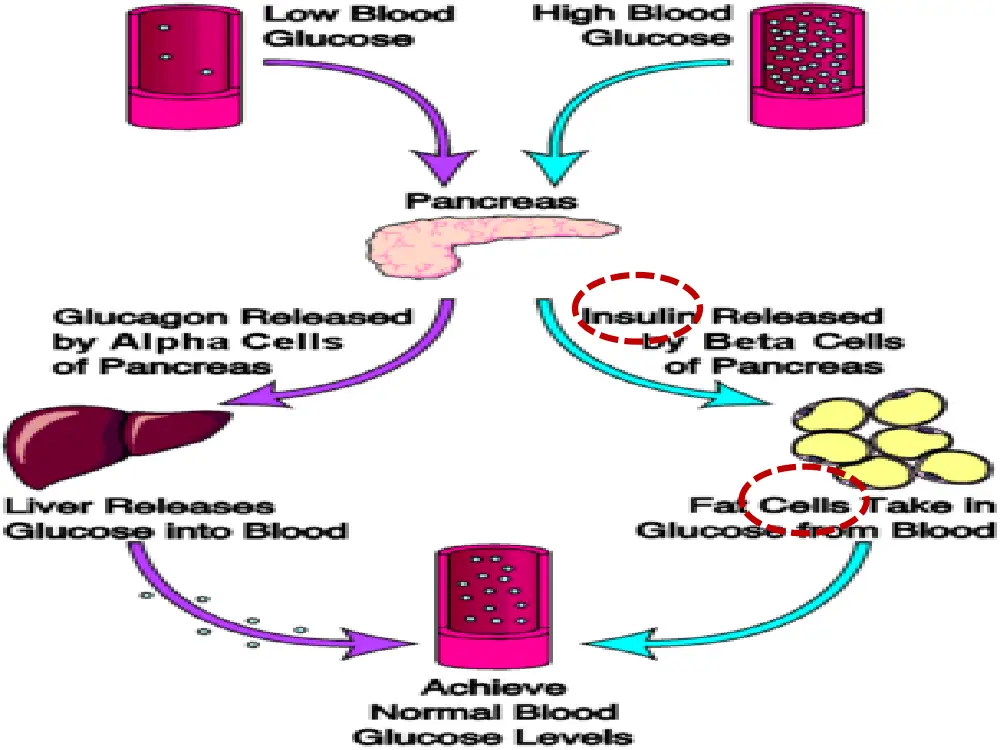
The body does not produce enough
insulin
or
The receptor cells do not respond to the
produced insulin
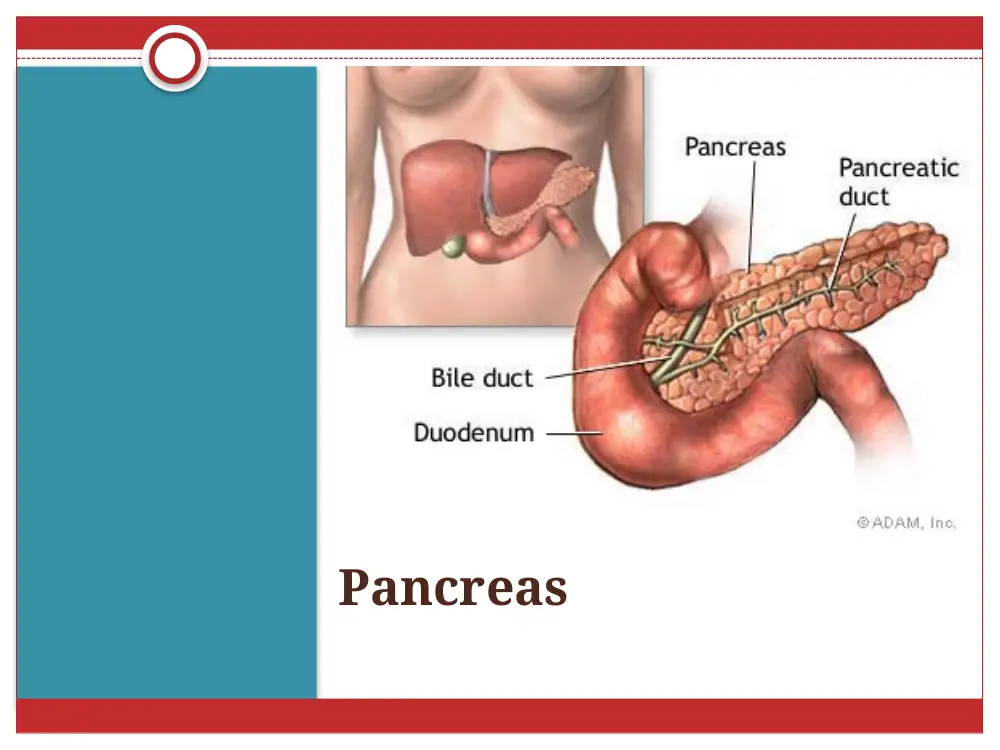
Pancreas
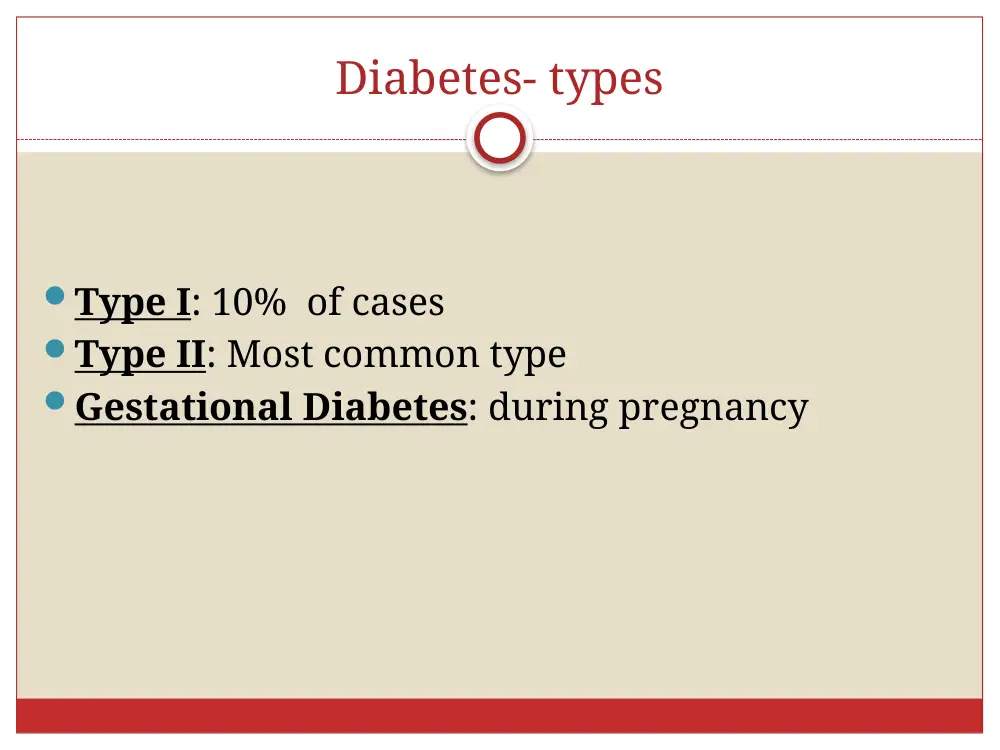
Diabetes- types
Type I: 10% of cases
Type II: Most common type
Gestational Diabetes: during pregnancy
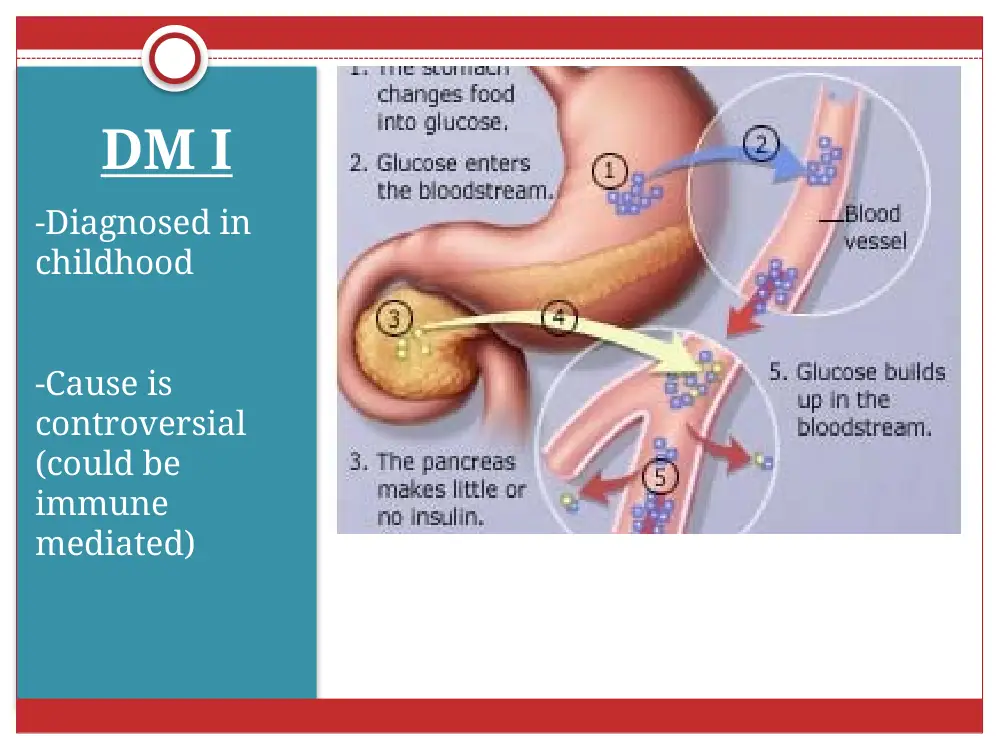
DM I
-Diagnosed in
childhood
-Cause is
controversial
(could be
immune
mediated)
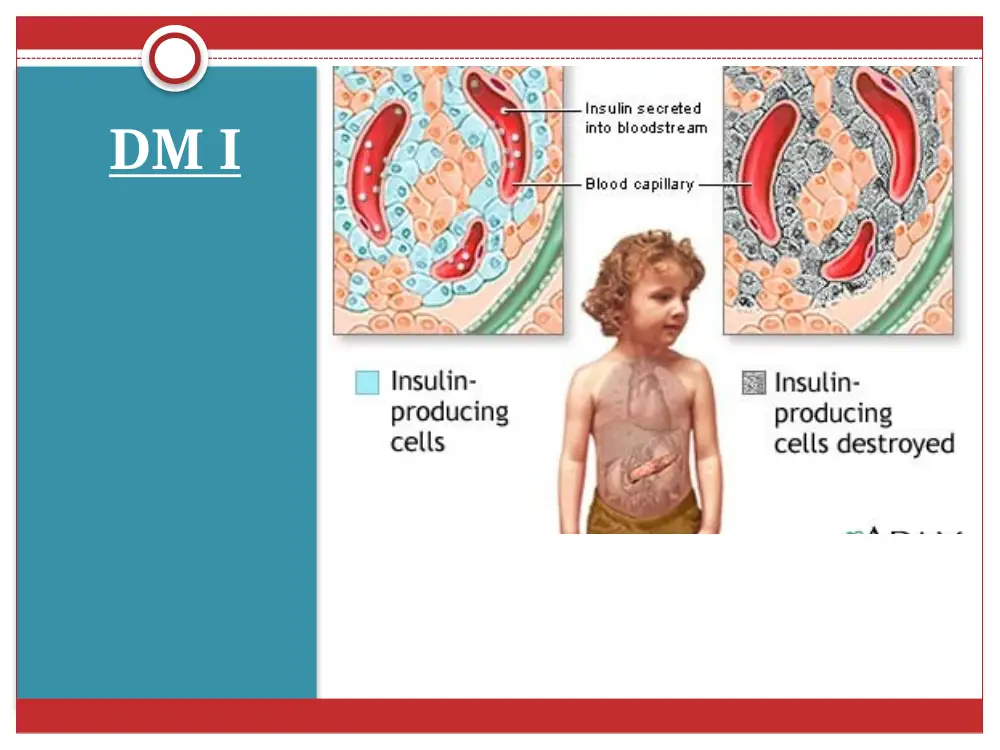
DM I
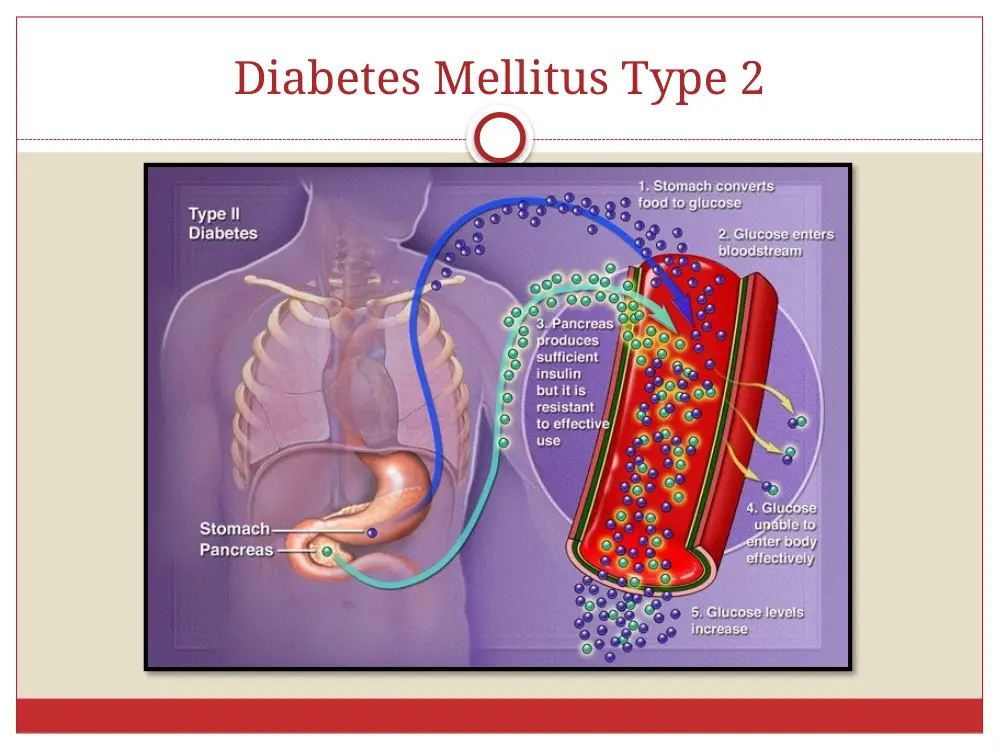
Diabetes Mellitus Type 2
Diabetes mellitus Type II
Causes:
An interaction between genetic predisposition &
lifestyle factors
Life time risk of developping DMII is 5-10 x higher in 1st
degree relatives (sister/Brother/son/Daughter) of a
person with DMII compared to a person with no family
history of DM II
The main risk factors are a diet rich in refined sugars,
obesity and lack of physical exercise
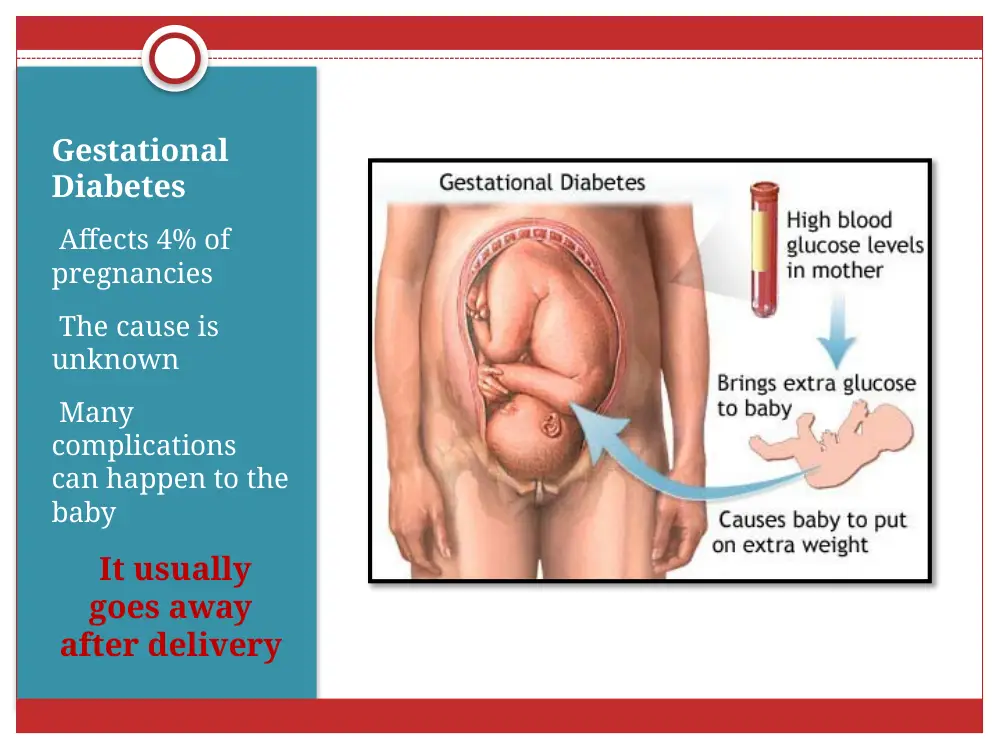
Gestational
Diabetes
-Affects 4% of
pregnancies
-The cause is
unknown
-Many
complications
can happen to the
baby
-It usually
goes away
after delivery
Diabetes- symptoms
Things to know..
Eating sweets or sugar does not cause diabetes
Sometimes an accident or an illness may reveal
diabetes if it is already there, but they do not
cause it
You cannot catch diabetes from somebody!
Diabetes Mellitus- Treatment
It is a chronic disease
Goal is to maintain normal blood glucose levels
Consists of: - dietary treatment
- Excercise
- Medications
Diabetes Mellitus - treatment
Dietary management:
Use of artificial sweeteners (aspartame,
saccharin..)
Low fat diet
Low sodium diet
High fiber diet
Avoid weight gain
Diabetes Mellitus I - Treatment
Insulin
injection
s
Diabetes Mellitus I - Treatment
Insulin
Pump
Diabetes Mellitus- treatment
Diabetes mellitus Type II:
Oral medications: increase sensitivity of
peripheral tissues to insulin, or increase the
secretion of insulin
Last resort: Insulin
Diabetes mellitus - Complications
A. Vascular Complications- vasculopathy:
Coronary heart diseases
Stroke
Diabetes mellitus - Complications
B. Retinopathy (Disease of the eyes)
can lead to blindness
Diabetes mellitus - Complications
C. Nephropathy (Disease of the kidneys)
can lead to kidney failure and need for
dialysis
Diabetes mellitus - Complications
D. Neuropathy (Disease of the nervous system)
can lead to foot ulceration and possible
amputation
Diabetic foot
Diabetes was
responsible for
59% of limb
amputations in
Lebanon in 2007
Diabetes Mellitus - Prognosis
Regular medical care, compliance with dietary and
medical treatment are ESSENTIAL
Diabetes mellitus - Prognosis
Despite the risks associated, most people can live
active lives and continue to enjoy the foods and
activities they enjoyed before being diagnosed
In Lebanon
Almost 1 in 6 lebanese individuals suffer from
diabetes
The latest data show that nearly a quarter of a
million lebanese remain undiagnosed
Lebanon occupies the 22nd highest rate of
diabetes in the world, ahead of many western
countries
More than 95% of cases are due to modern
lifestyles: Poor diet, lack of exercise and rising
obesity