
CIVE 320 Chapter 5.1, Spring 2016
American University of Beirut · Construction Materials and Technology · 26 pages



Showing the first 10 of 26 pages. Download the PDF to see all of it.
More CIVE 320 files
Show the text of this chapter
CIVE 320
Construction Materials & Technology
Dr. Ghassan Chehab
Slides Set: 5-a
Asphalt Binder: An Introduction
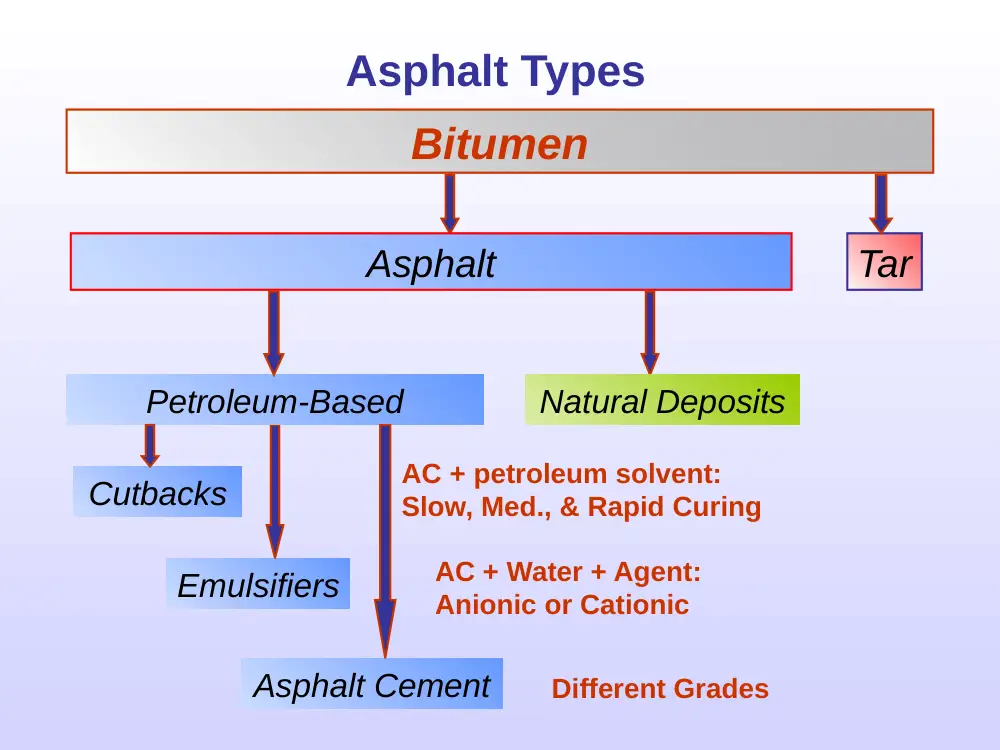
Asphalt Types
Bitumen
Asphalt
Tar
Asphalt Cement
Emulsifiers
AC + petroleum solvent:
Slow, Med., & Rapid Curing
AC + Water + Agent:
Anionic or Cationic
Different Grades
Petroleum-Based
Natural Deposits
Cutbacks
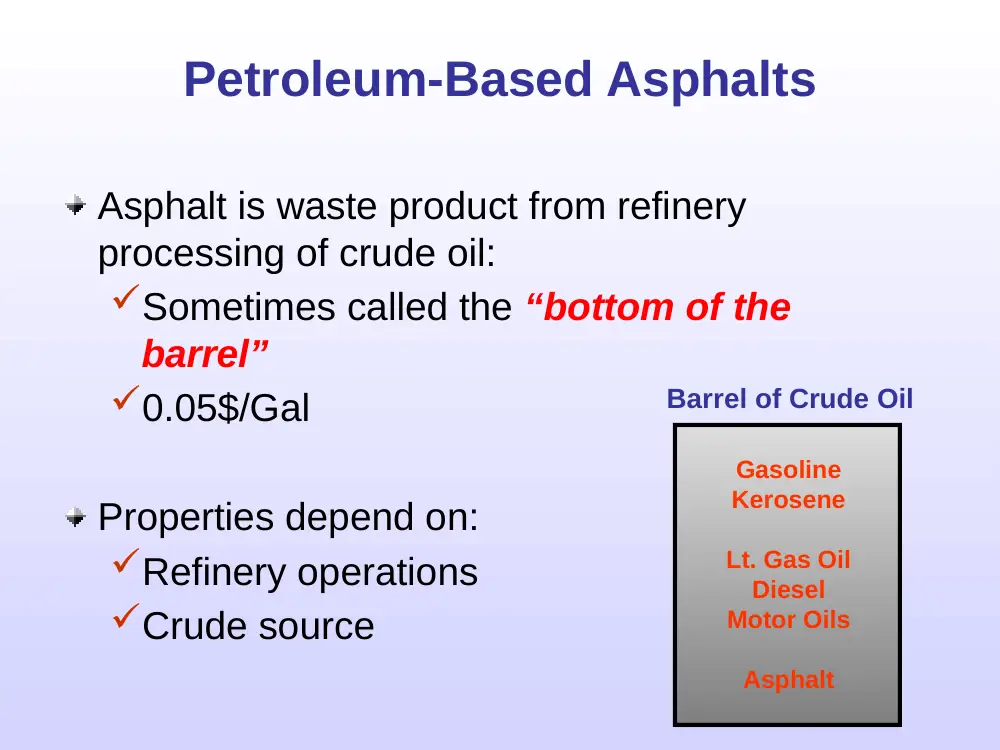
Petroleum-Based Asphalts
Asphalt is waste product from refinery
processing of crude oil:
Sometimes called the “bottom of the
barrel”
0.05$/Gal
Properties depend on:
Refinery operations
Crude source
Gasoline
Kerosene
Lt. Gas Oil
Diesel
Motor Oils
Asphalt
Barrel of Crude Oil
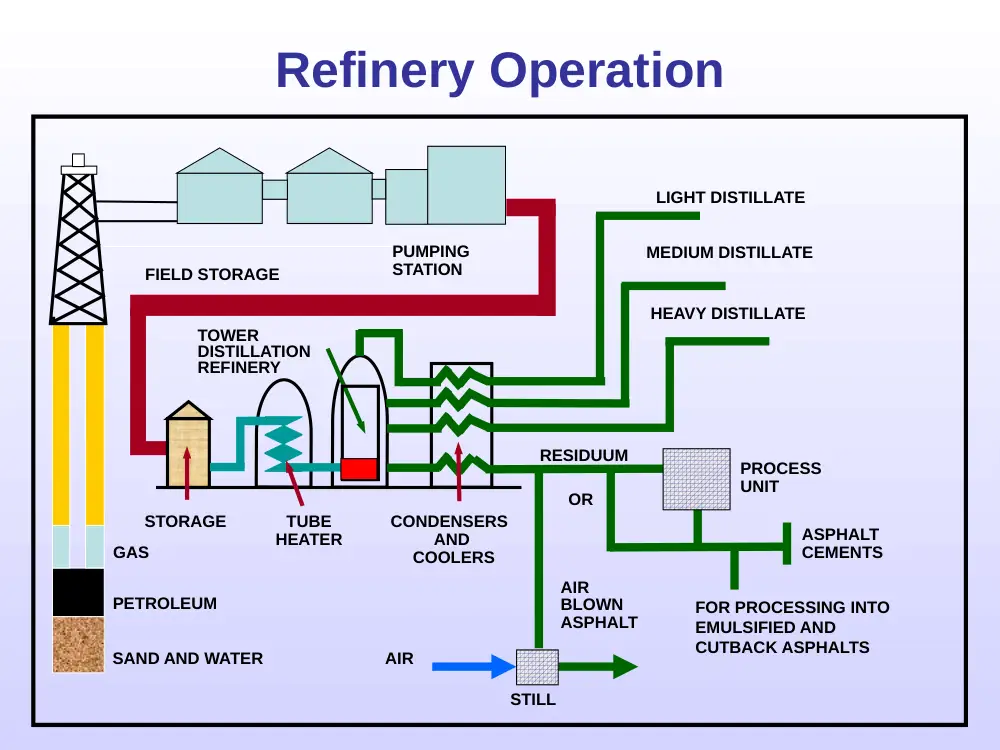
Refinery Operation
FIELD STORAGE
PUMPING
STATION
LIGHT DISTILLATE
HEAVY DISTILLATE
PROCESS
UNIT
ASPHALT
CEMENTS
FOR PROCESSING INTO
EMULSIFIED AND
CUTBACK ASPHALTS
STILL
AIR
AIR
BLOWN
ASPHALT
STORAGE
TOWER
DISTILLATION
REFINERY
RESIDUUM
OR
GAS
PETROLEUM
SAND AND WATER
CONDENSERS
AND
COOLERS
TUBE
HEATER
MEDIUM DISTILLATE
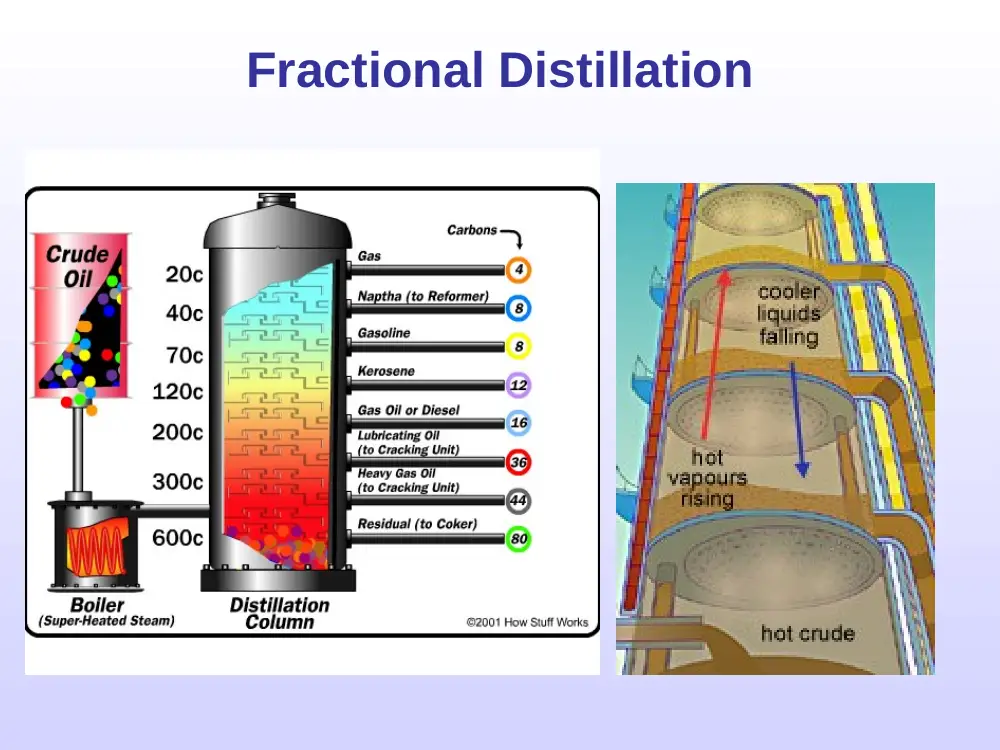
Fractional Distillation
Fawley Refinery, UK
Largest in Europe
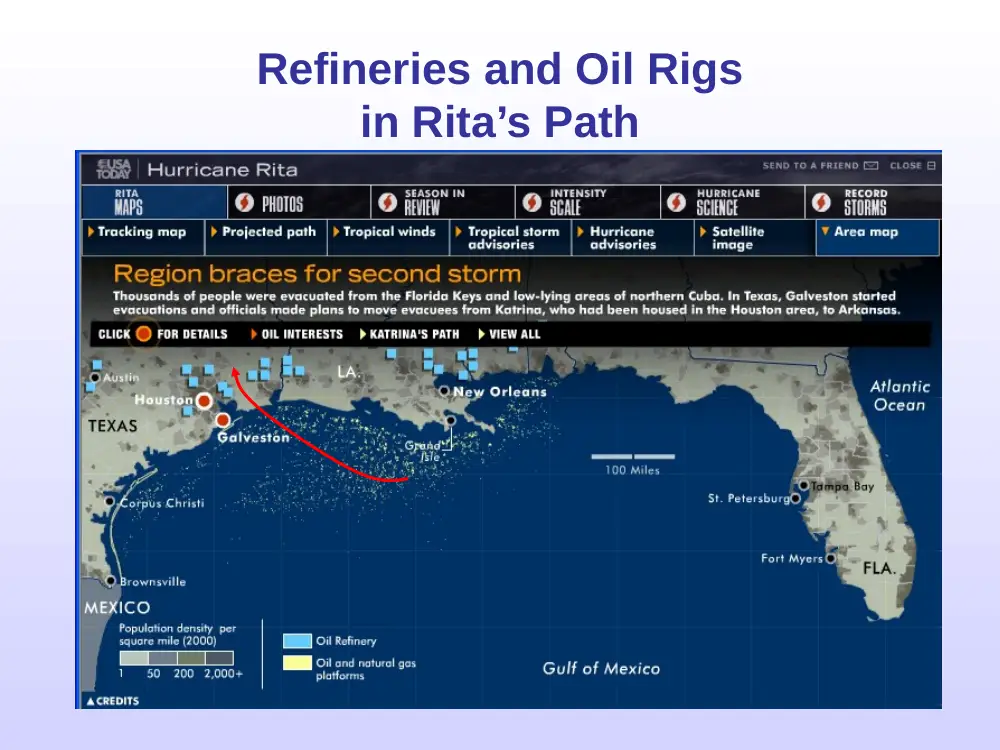
Refineries and Oil Rigs
in Rita’s Path
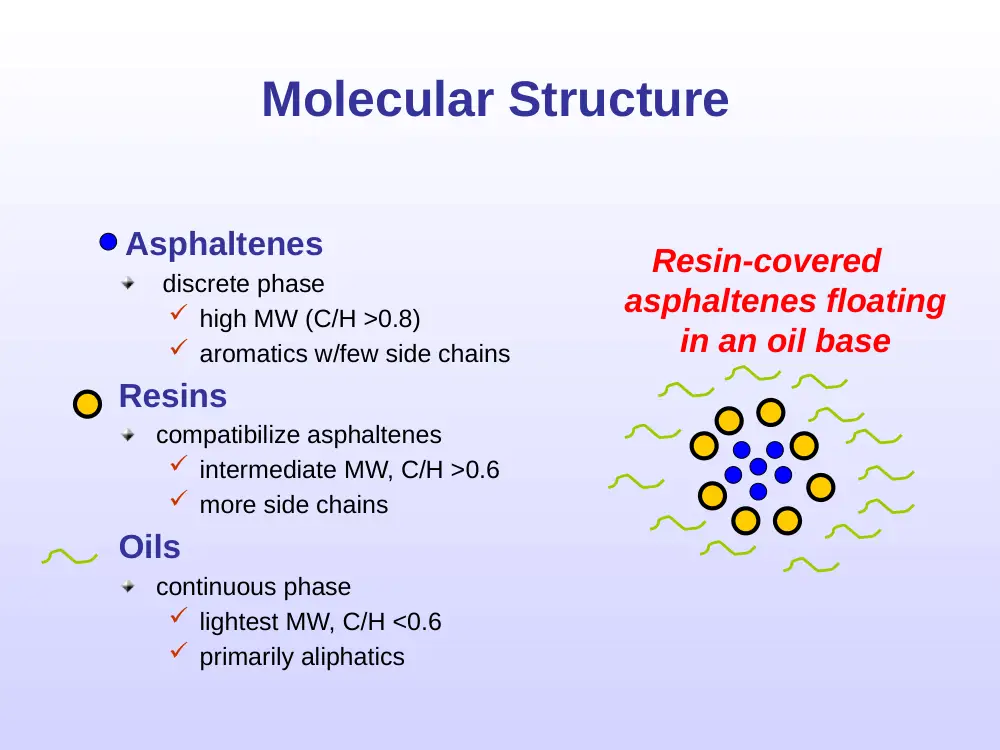
Molecular Structure
Asphaltenes
discrete phase
high MW (C/H >0.8)
aromatics w/few side chains
Resins
compatibilize asphaltenes
intermediate MW, C/H >0.6
more side chains
Oils
continuous phase
lightest MW, C/H <0.6
primarily aliphatics
Resin-covered
asphaltenes floating
in an oil base
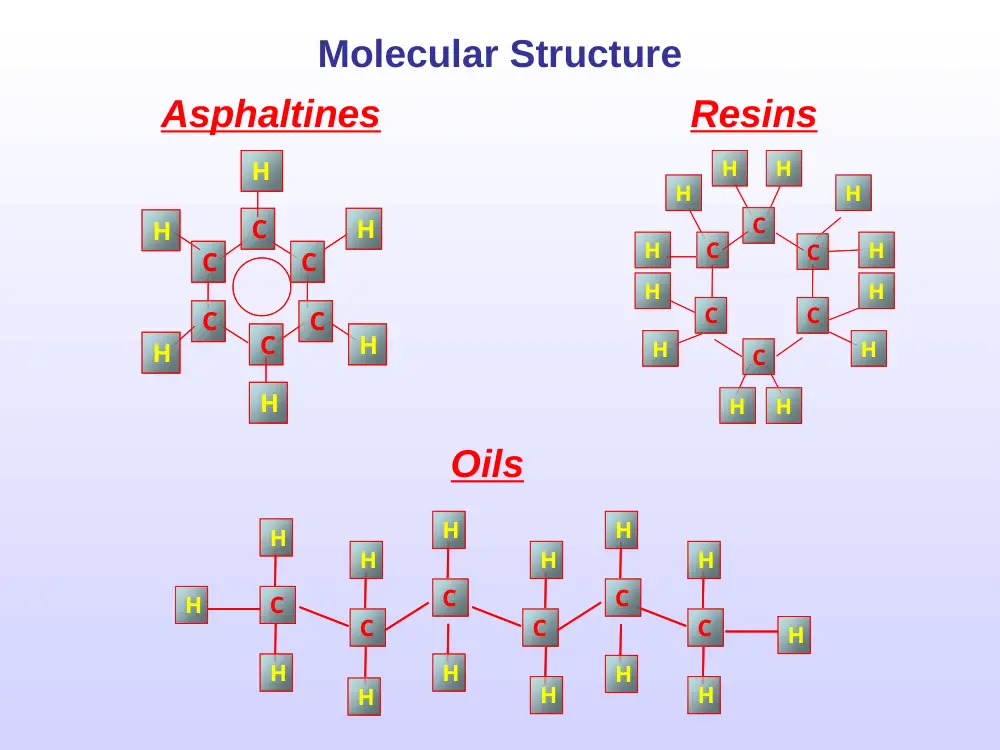
Molecular Structure
Asphaltines
C
C
C
C
C
H
H
H
H
H
H
H
H
H
H
H
C
H
C
C
C
C
C
H
H
H
H
H
H
H
H
H
H
H
C
H
C
H
C
C
C
C
C
H
H
H
H
H
C
H
C
C
C
C
C
H
H
H
H
H
H
H
H
H
H
H
H
H
H
H
H
H
H
H
C
C
C
C
C
C
H
H
H
H
H
H
H
H
H
H
H
H
H
H
C
C
C
C
C
C
Resins
Oils
Cutbacks
Rapid cure (RC) (Naphtha or Gasoline)
High volatility of solvent
Tack coats, surface treatments
Medium cure (MC) (Kerosene)
Moderate volatility
Stockpile patching mix
Slow cure (SC) (Low viscosity oil)
Low volatility
Prime coat, dust control
30% solvent
10% solvent
GRADE
NAPTHA FOR RC
KEROSENE FOR MC
LIGHT OIL FOR SC
SOLVENT
ASPHALT CEMENT
APPRX. FUROL VIS., 140°F, SEC.
APPROX. KINEMATIC VIS. 140°F, CS
30 70 250 800 3000
15-30 35-70 125-250 400-800 1500-3000
30-60 70-140 250-500 800-1600 3000-6000
Cutback Types & Composition
Emulsions
Emulsifier gives surface charge to asphalt
droplets suspended in water medium
Anionic
Negative charge
Alkaline
Good with limestone (positive charge)
Cationic
Positive charge
Acid
Good with silica gravels (negative charge)
HOT
ASPHALT
TANK
WATER
EMULSIFIER
STORAGE
STORAGE
STORAGE
PUMP
PUMP
COLLOID MILL
STATOR
ROTOR
Clearance
0.005 - 0.030”
Manufacture of Asphalt Emulsions
Emulsions: Chemical Activity
ASPHALT
+
WATER
+
EMULSIFIER
ANIONIC
(-)
ALKALINE
CATIONIC
(+)
ACID
LIMESTONE
SILICA
(Sil. Gravel)
Emulsions
RAPID SETTING (RS)
Tack Coat
Surface Treatment
(spray applications)
MEDIUM SETTING (MS)
Road Mix (open-graded)
SLOW SETTING (SS)
Road Mix (dense)
Slurry Seals
Tack Coat
Fog Seal
weaker surface charge
more emulsifying agent
Emulsion Types & Applications
Emulsions in Surface Treatments
Emulsion Breaking
Fiber-Reinforced Surface Treatments
Demo at PTI Test-track
Aging
Hardening
Long-Term
Changes in properties (chemical and physical) over time
MW & quantity of solvents decreases
Irreversible
Volatilization
Short term
Volatile components (lighter petroleum products)
evaporate
During mixing and construction
Irreversible
Aging, cont’d
Oxidation
Long-term
Organic molecules react with oxygen
Occurs faster in warmer climates
Irreversible
Molecular Structuring
Reversible - overcome by heating
Simulating Aging
Thin-Film Oven Test (TFO)
5 hours, 163C
Rolling Thin-Film Oven Test (RTFO)
85 min, 163C
Simulates short-term aging
Pressure Aging Vessel (PAV)
300psi, 90-110C, 20 hours
Simulates long-term aging
Purpose
To subject asphalt to hardening conditions approximating
those that occur in normal HMA batch plant operations.
Test (ASTM D1754)
Forced draft oven (325°F)
Rotating shelf (5-6 RPM)
1/8” film of Asphalt heated in pans
Time: 5 hours
Weight loss determined (%)
Viscosity or penetration of
TFOT residue measured
Thin Film Oven Test
Purpose
To subject asphalt to hardening conditions approximating
those that occur in normal HMA batch plant operations.
Test (ASTM D2872)
Forced draft oven (325°F)
Moving thin film in glass bottle
Rack rotates at a prescribed rate
Air jet (air flow 4000 ml/min)
Time: 75 minutes
Weight loss measured
Viscosity of RTFOT residue measured
Rolling Thin Film Oven Test (RTFOT)
Rolling Thin Film Oven (RTFO)
Inside of RTFO
Fan
Air Line
Rotating
Bottle
Carriage
Opening in Bottle
After
Before
Pressure Aging Vessel (PAV)
(Long Term Aging)
Simulates aging of an asphalt binder for 7 to 10 years
50 gram sample is aged for 20 hours
Pressure of 2,070 kPa (300 psi)
At 90, 100 or 110 C
Bottom of
pressure
aging vessel
Rack of individual
pans
(50g of asphalt / pan)
Vessel Lid
Components
Oven